
.jpeg)
Once you start taking acotinib/concostat, can you stop taking it at will?
Acalabrutinib is an oral Bruton's tyrosine kinase (BTK) inhibitor used for the long-term maintenance treatment of B-cell hematological tumors such as chronic lymphocytic leukemia (CLL), small lymphocytic lymphoma (SLL) and mantle cell lymphoma (MCL). Since its mechanism of action is to continuously inhibit the BTK signaling pathway and block the proliferation and survival of abnormal B cells, once you start taking it, it is usually not recommended for patients to stop taking it at will. Random discontinuation of the drug may lead to the recovery of abnormal B cell activity in the body, causing rapid disease recurrence or progression, affecting the treatment effect and patient prognosis.
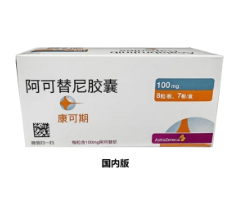
In clinical practice, acotinib needs to be taken orally continuously for a long time, and the dose is 100mg twice a day.Doctors will adjust the dose based on patient tolerance and blood indicators. The decision to discontinue a drug must be evaluated by a physician, taking into account the patient's disease status, previous treatment, and potential risks. Abrupt interruption of treatment may result in disease rebound, while increasing the risk of recurrence and difficulty in subsequent treatment. Therefore, even if mild adverse reactions occur, it is not recommended to stop taking the drug on your own, but you should adjust the dosage or take symptomatic treatment under the guidance of a doctor.
During acotinib treatment, patients need to regularly review blood routine, liver and kidney function and cardiovascular indicators in order to promptly detect potential adverse reactions and intervene. Common side effects include fatigue, headache, decreased platelets, arrhythmia, and risk of bleeding. Doctors will adopt appropriate dosage adjustments or temporary intermittent medication strategies based on the severity. In special circumstances, such as serious adverse events, planned pregnancy, or the need for surgery, doctors will make discontinuation or alternative plans for patients, rather than patients making their own decisions.
In addition, long-term medication compliance directly affects treatment efficacy. The oral form of acotinib allows patients to take it continuously in a home environment, reducing the burden of hospitalization and intravenous medication, while maintaining stable blood concentration and achieving long-term disease control.
Reference materials:https://www.calquence.com/
[ 免责声明 ] 本页面内容来自公开渠道(如FDA官网、Drugs官网、原研药厂官网等),仅供持有医疗专业资质的人员用于医学药学研究参考,不构成任何治疗建议或药品推荐。所涉药品可能未在中国大陆获批上市,不适用于中国境内销售和使用。如需治疗,请咨询正规医疗机构。本站不提供药品销售或代购服务。


