
.jpeg)
What diseases are clofazimine/sempra mainly used to treat?
Clofazimine (Clofazimine) is an oral phenazine antileprosy drug that has long occupied an irreplaceable position in the global anti-leprosy program. Its unique mechanism of action is mainly by binding to the DNA of mycobacteria, inhibiting their growth and replication, and producing anti-inflammatory effects in the body to reduce tissue damage caused by leprosy reactions. As an important component of the combination chemotherapy regimen recommended by the World Health Organization (WHO), clofazimine has exerted multiple therapeutic values u200bu200bin clinical practice.
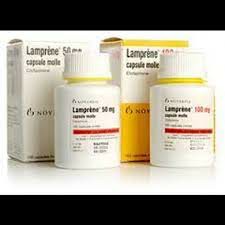
In the treatment of leprosy, clofazimine is especially suitable for patients with neoplastic leprosy. Tumor leprosy is the type of leprosy with the lowest immunity. It has a protracted course and significant skin and nerve damage. At this time, single drug treatment often has limited effect, and the combination of clofazimine and dapsone can play a complementary role. Dapsone has strong inhibitory effect on mycobacteria, while clofazimine is more advantageous in reducing leprosy reactions. The combination of the two can significantly reduce the recurrence rate and delay the emergence of drug-resistant strains.
When sulfone-resistant strains occur, clofazimine is often used in combination with rifampicin or ethionamide. Rifampicin is recognized as the most effective drug for killing Mycobacterium leprae, and ethionamide has been widely used in anti-tuberculosis. Combining these drugs with clofazimine can improve the control effect of drug-resistant strains, thereby maintaining the long-term stability of the disease.
Clofazimine not only functions as a bactericidal agent but is also used in the treatment of erythematous nodular leprosy reactions due to its anti-inflammatory properties. This type of acute inflammatory reaction often presents with systemic symptoms such as skin erythema, nodules, and fever. In severe cases, it can cause nerve damage and organ dysfunction. Clofazimine can alleviate the reaction by stabilizing the lysosomal membrane and inhibiting the release of inflammatory mediators, thereby reducing the dependence on hormonal drugs and reducing the risk of side effects. In addition, clofazimine also shows good regulatory effects on acute leprosy reactions induced by other drugs.
Reference materials:https://www.novartis.com/our-products/pipeline/clofazimine
[ 免责声明 ] 本页面内容来自公开渠道(如FDA官网、Drugs官网、原研药厂官网等),仅供持有医疗专业资质的人员用于医学药学研究参考,不构成任何治疗建议或药品推荐。所涉药品可能未在中国大陆获批上市,不适用于中国境内销售和使用。如需治疗,请咨询正规医疗机构。本站不提供药品销售或代购服务。


