
.jpeg)
Clofazimine/Sempra can be taken continuously for up to several months
Clofazimine (Clofazimine) is an oral anti-leprosy drug that needs to be taken long-term. The course of treatment is usually not measured in "months", but in "years". Due to the extremely long replication cycle of Mycobacterium leprae and the incubation period after infection, which can last for several years, it is difficult to completely clear the lesions with short-term medication alone. Therefore, clinically, clofazimine is often recommended for long-term use in combination with dapsone and rifampicin.
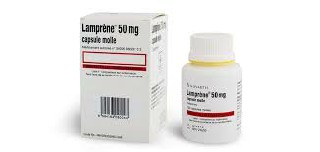
According to the multidrug therapy (MDT) protocol formulated by the World Health Organization, for patients with multibacillary leprosy (such as tumor leprosy), the recommended course of treatment with clofazimine is usually not less than 12 months, and many cases even require continuous treatment for more than 24 months to achieve the desired effect. For patients with paucibacillary leprosy, the course of treatment is relatively short, but still requires at least six months to one year to ensure the complete elimination of latent bacteria and avoid recurrence. In other words, clofazimine is not a short-term treatment drug. Its continuous use can be as long as 1 to 2 years. This is the biggest difference between this drug and common anti-infective drugs.
During long-term medication, the safety and tolerability of clofazimine have always been the focus of clinical attention. Most patients can tolerate the drug, but since the drug can be deposited in fat and tissue, long-term use will cause the skin, conjunctiva and internal organs to appear orange-red or tan, which is one of its most typical side effects. Although these pigmentations do not directly affect health, they may cause psychological distress to patients. In rare cases, gastrointestinal discomfort, such as loss of appetite or abdominal pain, may occur, so long-term medication needs to be combined with dietary adjustments and regular follow-up.
From the perspective of international clinical practice, the upper limit of continuous use of clofazimine is not strictly limited to "a few months", but emphasizes individualized adjustment according to the condition. If the patient still has active lesions after the 12 to 24-month course of treatment, doctors may extend the medication until clinical cure criteria are achieved. In some special cases, such as drug-resistant strains or relapsed cases, clofazimine may even be used for longer than two years.
Reference materials:https://www.novartis.com/our-products/pipeline/clofazimine
[ 免责声明 ] 本页面内容来自公开渠道(如FDA官网、Drugs官网、原研药厂官网等),仅供持有医疗专业资质的人员用于医学药学研究参考,不构成任何治疗建议或药品推荐。所涉药品可能未在中国大陆获批上市,不适用于中国境内销售和使用。如需治疗,请咨询正规医疗机构。本站不提供药品销售或代购服务。


