
.jpeg)
What information does the detailed package insert for lansoprazole/daclopron contain?
Lansoprazole/Daclopron(Lansoprazole) is a proton pump inhibitor (PPI) that significantly reduces gastric acid secretion by irreversibly inhibiting gastric parietal cell H+/K+-ATPase, thus protecting gastric mucosa and esophageal mucosa. It is widely used in the treatment and prevention of gastric acid-related diseases. It is highly effective and well tolerated, and is suitable for use in a variety of clinical scenarios, including ulcerative diseases, reflux esophagitis, and special pathological conditions such as Zollinger-Ellison syndrome.
1. Basic information about drugs
1. Drug category: proton pump inhibitor (PPI)
2. Main function: inhibit gastric acid secretion and protect gastric mucosa
3. Indications:
gastric ulcer and duodenal ulcer
Erosive esophagitis and gastroesophageal reflux disease
Ulcer prevention and treatment related toNSAIDs
Assisted eradication of Helicobacter pylori infection
Hyperacidity disorders such as Zollinger-Ellison syndrome
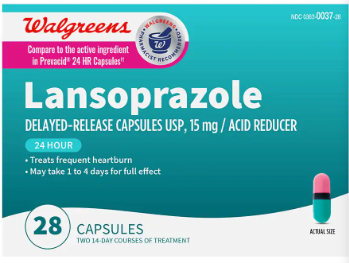
Over-the-counter lansoprazole (Prevacid OTC) can be used to relieve frequent heartburn that occurs two or more days per week, but it is important to emphasize that it is intended for long-term management rather than immediate relief of acute symptoms.
2. Usage, dosage and treatment duration
1. Routine medication: Take once a day in the morning, orally 30 to 60 minutes before meals to improve absorption rate and efficacy.
Duodenal ulcer treatment: 30 mg daily for two weeks. If it is not fully healed, it can be extended to four weeks.
Gastric ulcer treatment: 30 mg daily for four weeks. If the ulcer is difficult to heal, it may be extended to eight weeks.
Reflux esophagitis treatment: 30 mg daily for four weeks. If symptoms are not relieved, the course of treatment can be extended.
Prevention of reflux esophagitis: 15 mg per day, which can be adjusted to 30 mg per day according to symptoms.
Helicobacter pylori eradication treatment: twice daily30 mg, combined antibiotic regimen:
Lansoprazole+clarithromycin + amoxicillin
Lansoprazole + Clarithromycin + Metronidazole
The typical course of treatment is 7 days, which can be extended to 14 days according to the regional drug resistance. The eradication rate can reach about 90%, and the risk of reinfection is low.
Treatment of NSAID-related ulcers: 30 mg daily for four weeks; prophylactic use: 15 mg daily, adjust dose if necessary.
Symptomatic gastroesophageal reflux disease: 15 or 30 mg daily15 or 30 mg, adjusted according to symptoms; if symptoms persist after the end of the treatment, further evaluation should be conducted.
Zollinger-Ellison syndrome: Starting at 60 mg per day, it can be increased as needed, up to a maximum of 180 mg per day. If it exceeds 120 mg, it must be taken in divided doses.
3. Combination medication strategies and clinical precautions
1. Helicobacter pylori eradication: Lansoprazole, asPPI, combined with antibiotics can improve the success rate of eradication. The clarithromycin regimen is the first choice, and the metronidazole regimen can be selected when drug resistance or contraindications occur.
2. NSAID combination treatment: For patients who use NSAIDs for a long time and are at risk of ulcers, lansoprazole can prevent the occurrence of ulcers and reduce gastric mucosal damage.
3. Special groups:
Elderly patients: Assessment of renal and liver function is very important, and the dosage and course of treatment should be adjusted individually.
Pregnant and lactating women: Use under the guidance of a doctor and make sure to weigh the pros and cons.
Children: There are few clinical studies on lansoprazole mainly used for gastric acid-related diseases, so it should be used with caution.
4. Efficacy evaluation and follow-up
Improvement of clinical symptoms: mainly observe the relief of heartburn, acid reflux, and upper abdominal discomfort.
Imaging and endoscopic evaluation: Healing of ulcers and erosions can be confirmed by gastroscopy or imaging, especially in patients with prolonged or recurrent treatment.
Helicobacter pylori review: after eradicationA 6-month review can assess the risk of reinfection and determine whether subsequent protective treatment is needed.
5. Drug safety and precautions
Common adverse reactions include mild diarrhea, headache, rash, nausea, and mild liver enzyme elevations.
Long-term use may affect vitaminsB12 and mineral absorption, especially magnesium and calcium, which require regular monitoring.
When stopping the drug, you should follow the doctor's advice to avoid rebound gastric acid secretion caused by sudden interruption. If necessary, you can gradually reduce the dose or switch to H2 receptor antagonists for a short period of time.H2 receptor antagonist transition.
6. Medical insurance and accessibility
Lansoprazole has been launched in China and has been included in the reimbursement scope of Class B medical insurance. Patients can reimburse part of the drug cost through medical insurance when they meet the conditions. However, medical insurance policies vary from place to place, and reimbursement ratios and restrictions vary. It is recommended that patients consult local medical insurance policies before purchasing drugs.
Reference materials:https://www.drugs.com/lansoprazole.html
[ 免责声明 ] 本页面内容来自公开渠道(如FDA官网、Drugs官网、原研药厂官网等),仅供持有医疗专业资质的人员用于医学药学研究参考,不构成任何治疗建议或药品推荐。所涉药品可能未在中国大陆获批上市,不适用于中国境内销售和使用。如需治疗,请咨询正规医疗机构。本站不提供药品销售或代购服务。


