
.jpeg)
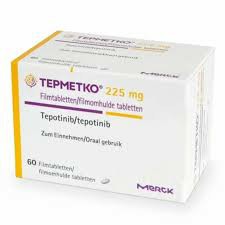
Comparison of the efficacy of Tepotinib (Tuodekang) and Crizotinib and analysis of applicable patients
Tepotinib and crizotinib (Crizotinib) are often compared clinically because both can act on patients with lung cancer related to the MET pathway, but there are obvious differences in their pharmacological selectivity, indication positioning and clinical performance. Tepotinib is a more selective oral METtyrosine kinase inhibitor that specifically targets MET exon 14 skippingmutations or high-level MET-driven tumor development; crizotinib was initially approved as an ALK inhibitor and also targets ROS1 and MET have inhibitory activity, but their selectivity and inhibitory strength for MET are lower than those of specific MET inhibitors. Based on target specificity, tepotinib has been shown to be more effective in MET 14Exon skipping mutation (METex14)-positive patients have shown more stable, deeper and more sustained anti-tumor activity. Although crizotinib has a record of efficacy in this population, the overall response rate and duration are generally lower than dedicated MET inhibitors.
Compared from the efficacy level, in trials specifically recruiting METex14 patients and in real-world cohorts, tepotinib generally demonstrated a higher objective response rate and longer progression-free survival, which is related to its targeted design, pharmacokinetic characteristics and strict screening of the target group in clinical studies. The effect of crizotinib in patients with METamplification or METex14 is more unstable and is greatly affected by the patient's baseline characteristics, MET type of change (amplification vs jump), and previous treatment history. Therefore, in the decision-making of the first choice drug, if the METex14 mutation is clearly detected, most guidelines and clinical experts prefer to give priority to tepotinib or other second-generation /selective MET inhibitors; crizotinib is more often used as an alternative when there is a need for multi-target inhibition or when there is no better option.
In terms of safety, the toxicity spectrum of the two is different and both can be managed. Common adverse reactions of tepotinib include peripheral edema, nausea, myalgia, anorexia and mild elevation of transaminase. Edema is the most common problem in clinical practice and sometimes requires long-term symptomatic management. The characteristic adverse reactions of crizotinib include abnormal vision, nausea, constipation, hematological changes and ECG effects (such as QT interval changes or slowed heart rate). In addition, crizotinib should be used with caution in patients with a history of cardiovascular disease. Both drugs need to be monitored for their effects on liver function, but due to different mechanisms and metabolic pathways, the specific monitoring frequency and treatment strategies should be determined individually based on the drug instructions and clinical conditions.
In clinical practice and patient selection, precise molecular testing should first be done to identify the driver genes:METex14Skipping mutations are an important basis for deciding to prioritize the use of tepotinib; for patients with MET high copies or complex co-mutations, the use of tepotinib or crizotinib should be weighed based on tumor burden, previous treatment history, and concomitant medications. In terms of drug resistance management, both drugs may have secondary mutations or activation of bypass pathways. In the event of drug resistance, treatment includes retesting the molecules to look for changes in the bypass pathways, considering replacing MET inhibitors with more efficiency or different modes of action, and using local therapy or combination chemotherapy and immunotherapy based on the distribution of the lesions. In short, for MET non-small cell lung cancer, tepotinib is usually given priority due to its targeting and superior performance in the METex14 population; crizotinib still has application value in some cases, but strict molecular classification, close monitoring of efficacy and toxicity are required before and after treatment, and individualized treatment plans are formulated under the guidance of a multidisciplinary team.
Reference materials:https://www.drugs.com/
[ 免责声明 ] 本页面内容来自公开渠道(如FDA官网、Drugs官网、原研药厂官网等),仅供持有医疗专业资质的人员用于医学药学研究参考,不构成任何治疗建议或药品推荐。所涉药品可能未在中国大陆获批上市,不适用于中国境内销售和使用。如需治疗,请咨询正规医疗机构。本站不提供药品销售或代购服务。


