
.jpeg)
Can regorafenib (Belvango) effectively shrink tumors and clinical case analysis
Regorafenib is a multi-target oral small molecule kinase inhibitor that can simultaneously inhibit angiogenesis-related pathways (such as VEGFR), tumor cell proliferation signaling pathways (such as RAF), and tumor microenvironment-related pathways. Because of its broad mechanism of action, regorafenib is used in the treatment of a variety of advanced solid tumors such as colorectal cancer, gastrointestinal stromal tumors, and hepatocellular carcinoma, and has shown the potential for tumor shrinkage and disease control in certain patient groups. Clinical studies show that although the objective response rate (ORR) of the drug is not high, the disease control rate (DCR) is considerable, indicating that it has positive significance in delaying tumor progression and improving survival.
In terms of colorectal cancer, clinical trial data of regorafenib show that the use of regorafenib can observe tumor shrinkage in some patients after failure of standard treatments. For example, in the international multi-center CORRECT trial, although the overall objective response rate was low, some patients still experienced significant tumor shrinkage and lesion regression. The emergence of these cases suggests that regorafenib can not only stabilize the disease, but may also bring objective imaging benefits to some patients, especially those whose molecular characteristics or tumor biological characteristics are more consistent with the target of regorafenib.
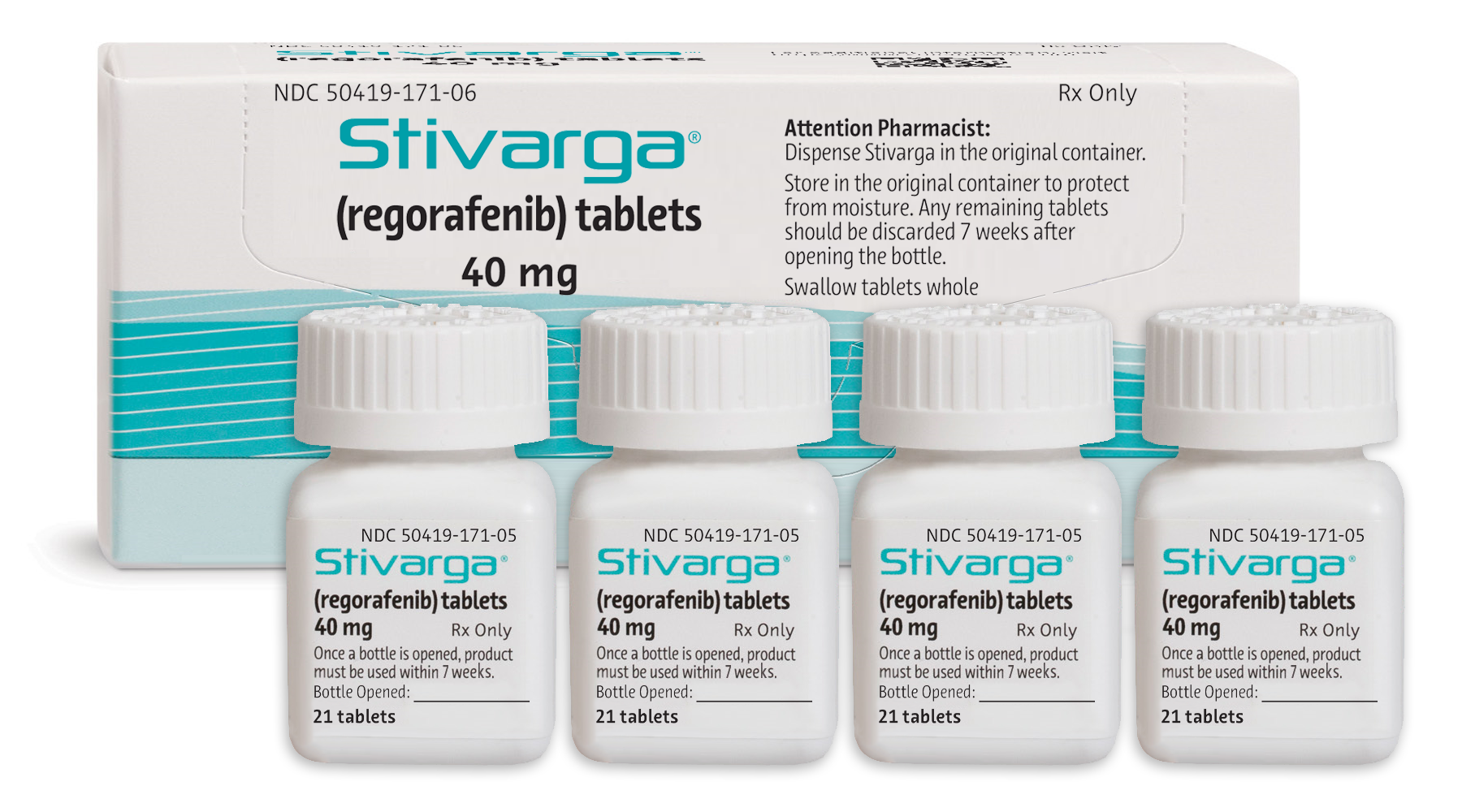
In the application of hepatocellular carcinoma, regorafenib is used as a second-line treatment drug after failure of sorafenib treatment, and has shown clinical cases of prolonged survival and shrinkage of some tumors. RESORCEData from the trial show that regorafenib can significantly improve the overall survival and progression-free survival of patients. At the same time, some patients have reduced lesion size during treatment, thus improving the quality of life and disease control effects of liver cancer patients. These results further validate the multiple mechanisms of action of regorafenib in anti-tumor therapy.
In addition, in patients with gastrointestinal stromal tumors, regorafenib is used as third-line treatment, and clinical cases of significant tumor shrinkage have also been reported. Some studies have shown that for patients who are resistant to imatinib and sunitinib, regorafenib can not only control the continued progression of tumors, but may also bring about objective response and even shrinkage of lesions in some cases. These clinical cases illustrate that although the overall tumor reduction rate of regorafenib is not as good as that of some targeted drugs, it still has significant benefits in certain groups of people. Therefore, when using regorafenib, clinicians should reasonably evaluate the possibility of benefit and conduct monitoring based on the patient's molecular classification, disease course characteristics, and drug resistance mechanisms.
Reference materials:https://www.drugs.com/
[ 免责声明 ] 本页面内容来自公开渠道(如FDA官网、Drugs官网、原研药厂官网等),仅供持有医疗专业资质的人员用于医学药学研究参考,不构成任何治疗建议或药品推荐。所涉药品可能未在中国大陆获批上市,不适用于中国境内销售和使用。如需治疗,请咨询正规医疗机构。本站不提供药品销售或代购服务。


