
.jpeg)
Tumor Shrinkage Effect and Core Therapeutic Value of Pazopanib
Pazopanib is an anti-angiogenic targeted drug widely used in the treatment of renal cell carcinoma and soft tissue sarcoma.Its unique mechanism of action results in significant differences in tumor control logic compared to traditional chemotherapy.Many patients focus on whether the drug can directly reduce tumor volume during treatment,but from a medical perspective,the core therapeutic value of pazopanib goes far beyond this—it fundamentally alters the tumor's growth microenvironment.
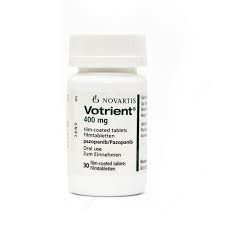
In terms of its mechanism of action,pazopanib primarily works by selectively inhibiting multiple key signaling pathways,including vascular endothelial growth factor(VEGF)and platelet-derived growth factor(PDGF),to precisely block the formation of new blood vessels in tumors.The continuous growth and spread of tumors are highly dependent on an adequate blood supply to obtain nutrients and oxygen.Once the formation of new blood vessels is effectively inhibited,tumor tissue gradually enters a"nutrient-restricted"state.In this case,some patients will indeed experience varying degrees of tumor volume reduction,and this shrinkage effect is more pronounced in tumor types that are highly dependent on blood supply.
However,not all patients receiving pazopanib treatment will experience significant tumor volume reduction.A more common and equally important efficacy manifestation of this drug is"stable disease,"meaning the rapid growth trend of the tumor is effectively curbed,and it can even remain relatively stable for a long time.In the clinical evaluation system for targeted therapy,stable disease is also regarded as an important sign of effective disease control.Compared with short-term tumor volume reduction,achieving long-term disease stability often has a more positive impact on patients'overall prognosis and quality of life.
In terms of efficacy evaluation,imaging examinations remain the core method for determining the effectiveness of pazopanib treatment.Clinicians typically use computed tomography(CT)or magnetic resonance imaging(MRI)to dynamically compare and observe tumor size,while also focusing on changes in the internal structure of the tumor,such as increased necrotic areas and significantly reduced blood supply—these are important indirect manifestations of the effectiveness of anti-angiogenic therapy.In addition,some patients may experience improvements in clinical symptoms during treatment,such as reduced pain and restored physical status,which can also serve as auxiliary reference indicators for evaluating efficacy.
It is worth noting that in recent years,the efficacy evaluation system in the international oncology field has been continuously improved,and the concept of"disease control rate"has received increasing attention.Disease control rate not only focuses on whether the tumor has shrunk but also includes tumor stabilization as part of effective treatment.For anti-angiogenic targeted drugs such as pazopanib,this more comprehensive evaluation method can more accurately reflect their true therapeutic value.
[ 免责声明 ] 本页面内容来自公开渠道(如FDA官网、Drugs官网、原研药厂官网等),仅供持有医疗专业资质的人员用于医学药学研究参考,不构成任何治疗建议或药品推荐。所涉药品可能未在中国大陆获批上市,不适用于中国境内销售和使用。如需治疗,请咨询正规医疗机构。本站不提供药品销售或代购服务。


