
.jpeg)
In CLL, acotinib/acalabrutinib demonstrates safety and improved survival of chemoimmunotherapy
Acalabrutinib (Acalabrutinib) has a significantly improved safety profile and reduced risk of mortality, bleeding events and atrial fibrillation in patients with chronic lymphocytic leukemia (CLL), according to a retrospective cohort study submitted in 2025.
CLL is a cancer of the blood and bone marrow that affects lymphocytes, causing complications such as frequent infections and fatigue. Bruton's tyrosine kinase (BTK) inhibitors are the cornerstone of CLL's therapeutic landscape, dramatically improving response rates and survival outcomes. Acotinib is a second-generation BTK inhibitor that was initially approved by the U.S. Food and Drug Administration in 2017 for the treatment of patients with mantle cell lymphoma. Two years later, in 2019, the drug was approved for CLL, supported by data from the ELEVATE-TN (NCT02475681) and ASCEND (NCT02970318) trials.
Akolitinib shows great potential as a targeted therapeutic alternative to chemoimmunotherapy in patients with CLL. In a retrospective cohort analysis, researchers used the TriNetX platform to compare the safety and efficacy of acotinib and chemoimmunotherapy.
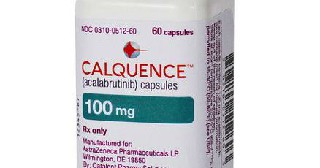
The analysis included patient data from January 2000 to January 2025 and examined outcomes for patients with CLL who received either acotinib or chemoimmunotherapy. Patients were divided into 2 cohorts based on treatment type, clinical characteristics, and demographic data (eg, age [≥18 years], sex, race, and ethnicity). Primary outcomes measured included all-cause mortality, atrial fibrillation, hypertension, acute heart failure, ventricular arrhythmias, and bleeding events. Kaplan-Meier survival analysis was used to assess the risk of death.
Of a total of 4006 patients, 847 received acotinib and 3172 received chemoimmunotherapy. The average age in the acotinib group was approximately 70±11 years old, and that in the chemoimmunotherapy group was 69±14 years old. Patients in both groups were predominantly male, with the majority of patients being non-Hispanic white. The median follow-up periods of the acotinib group and the chemoimmunotherapy group were 578 days and 925 days respectively.
Analysis showed that patients who received acotinibThe risk of death was significantly reduced in treated patients (relative risk[RR]: 0.407; 95% CI: 0.32-0.51; P<0.0001). Cardiovascular safety results also favored acotinib. Less than 10 patients in the acotinib group developed atrial fibrillation. Compared with chemoimmunotherapy, the odds of developing atrial fibrillation were significantly lower (odds ratio [OR]: 0.3; 95% CI: 0.16-0.58; P=0.001), and 120 of them developed this condition. The incidence of hypertension was also significantly reduced in patients treated with acotinib, reinforcing its more favorable cardiovascular profile.
The incidence of bleeding events was lower in the acotinib cohort. However, there was no statistically significant difference in the risk of acute heart failure (OR: 1.25; 95% CI: 0.61-2.57; p=0.54) or ventricular arrhythmias (OR: 1.5; 95% CI: 7.72-3.14; p=0.2) between the two treatment groups.
These findings highlight the potential of acotinib as a safer and more effective treatment option for CLL. In addition to extending survival, the drug appears to reduce the likelihood of serious adverse events, such as atrial fibrillation and bleeding, which are concerns with traditional chemoimmunotherapy.
These data highlight the favorable safety profile of acotinib, particularly in reducing the risk of cardiovascular complications and bleeding. Given the statistically significant survival benefit, clinicians may consider acotinib as a first-choice treatment for patients with CLL.
References:https://www.pharmacytimes.com/view/acalabrutinib-demonstrates-improved-safety-survival-to-chemoimmunotherapy-in-cll
[ 免责声明 ] 本页面内容来自公开渠道(如FDA官网、Drugs官网、原研药厂官网等),仅供持有医疗专业资质的人员用于医学药学研究参考,不构成任何治疗建议或药品推荐。所涉药品可能未在中国大陆获批上市,不适用于中国境内销售和使用。如需治疗,请咨询正规医疗机构。本站不提供药品销售或代购服务。


