
.jpeg)
Common side effects and drug safety assessment of pirfenidone (Asri)
1. Drug overview and indications
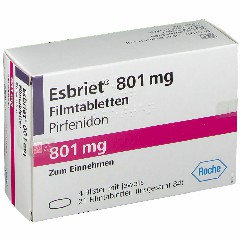
Pirfenidone is an oral anti-fibrotic drug that slows down the process of pulmonary interstitial fibrosis mainly by inhibiting transforming growth factor TGF-β and other pro-fibrotic signaling pathways. Its main indication is idiopathic pulmonary fibrosis (Idiopathic Pulmonary Fibrosis, IPF), which can delay the decline of lung function and improve the quality of life, and has been recommended as one of the standard treatment drugs in multiple international guidelines. Pirfenidone is usually taken orally three times a day, and the dose is gradually increased to improve tolerance, and liver and kidney function need to be monitored regularly during treatment.
2. Common adverse reactions and their mechanisms
The side effects of pirfenidone mainly include gastrointestinal symptoms, skin reactions, abnormal liver function and fatigue. Gastrointestinal symptoms such as nausea, vomiting, diarrhea and loss of appetite are relatively common, and about 20%-30% of patients will experience varying degrees of discomfort. This type of reaction is related to the drug's stimulation of the gastrointestinal mucosa and the effect of drug metabolites, and can be alleviated by taking the drug after a meal or taking it in divided doses. Skin reactions mainly manifest as photosensitive rash, itching or pigmentation. Patients should pay attention to sun protection and avoid prolonged exposure to strong sunlight during treatment. Abnormal liver function is manifested by an increase in serum aminotransferases, which usually occurs in the early stages of medication. Individual patients may suffer from obvious liver damage, and liver function indicators need to be monitored regularly.
3. Medication Safety Assessment and Monitoring Strategies
Clinically, in order to ensure the safety of pirfenidone, patients need to undergo basic assessment before and during medication, including liver and kidney function, blood routine and pulmonary function tests. The initial dose is usually low and titrated to the recommended maintenance dose (generally 2403 mg per day for adults) based on patient tolerance. During treatment, dose adjustment or temporary discontinuation should be considered when moderate or severe side effects occur. For patients with abnormal liver function, changes in transaminases should be closely monitored, and the dose should be adjusted or treatment terminated if necessary. Gastrointestinal discomfort can be relieved by taking medicine after meals, taking it in divided doses, and auxiliary medicines. Skin reactions need to be controlled with sun protection, reduction of light exposure, and topical medications.
4. Long-term safety and clinical practice experience
Multiple long-term follow-up studies have shown that pirfenidone is generally well tolerated in long-term use. Most side effects are mild to moderate and can be alleviated by dose adjustment or symptomatic treatment. A very small number of patients may experience serious adverse events, such as liver function damage, exacerbation of interstitial pneumonia, or allergic reactions, but these conditions can be detected and dealt with in a timely manner under standardized monitoring. Clinical practice experience shows that early identification of adverse reactions, reasonable dose adjustment, and strengthening patient education and follow-up are the keys to ensuring long-term safe medication.
5. Patient medication guidance and precautions
Patients should strictly abide by the doctor's instructions while taking pirfenidone and should not increase or decrease the dose at will. Concomitant use of hepatotoxic drugs or drugs that affect drug metabolism should be avoided, and regular review should be maintained. When side effects occur, you should report them to your doctor promptly so that dose adjustment or symptomatic treatment can be made. In addition, patients need to pay attention to sun protection measures and lifestyle management to avoid photosensitivity reactions or drug-induced adverse events. Through scientific monitoring and individualized management, pirfenidone can maximize its anti-fibrotic efficacy while maintaining good safety.
Overall, pirfenidone, as the core drug for anti-fibrosis treatment, has controllable side effects and high safety. In clinical application, the incidence and severity of adverse events can be effectively reduced through early assessment, regular monitoring, individualized dose adjustment and patient education. The rational use of pirfenidone by patients in compliance with medical advice can not only delay the progression of pulmonary fibrosis, but also improve the quality of life at a lower risk, providing a reliable treatment plan for patients with idiopathic pulmonary fibrosis.
Reference materials:https://www.drugs.com/
[ 免责声明 ] 本页面内容来自公开渠道(如FDA官网、Drugs官网、原研药厂官网等),仅供持有医疗专业资质的人员用于医学药学研究参考,不构成任何治疗建议或药品推荐。所涉药品可能未在中国大陆获批上市,不适用于中国境内销售和使用。如需治疗,请咨询正规医疗机构。本站不提供药品销售或代购服务。


