
.jpeg)
Epclusa (Epclusa) Chinese version detailed instructions and guide on how to take it correctly
1. Overview of Drugs
Epclusa, generic name: Sofosbuvir/Velpatasvir, Sofosbuvir/Velpatasvir) is an oral direct-acting antiviral drug (Direct-Acting Antiviral, DAA), used to treat chronic hepatitis C virus (HCV) infection. Its mechanism of action is mainly to jointly inhibit the key enzymes required for HCV replication: Sofosbuvir is an NS5B polymerase inhibitor, blocking viral RNA replication; velpatasvir is an NS5A NS5A inhibitor, preventing viral replication and assembly. Epclusacovers HCV 1 to 6 type viruses. It is a broad-spectrum, interference-free single-piece combination preparation and is considered to be one of the preferred options for modern hepatitis C treatment.
2. Indications and drug users
Epclusais indicated for patients 18 years of age and older with chronic hepatitis C, including those with and without cirrhosis. For patients with compensated cirrhosis (Child-Pugh A), Epclusa can be used alone; for patients with decompensated cirrhosis (Child-Pugh A) B or C) patients need to use it in combination with ribavirin (Ribavirin) and be strictly monitored under the guidance of a professional doctor. Epclusa is also suitable for HCV/HIV co-infected patients, but attention should be paid to potential drug interactions with antiretroviral drugs.
3. Medication dosage and correct method of taking
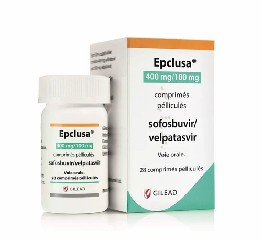
Epclusa is an oral tablet, each tablet contains sofosbuvir 400mg and velpatasvir 100mg. The standard dose is 1 tablet once a day for 12 week. Patients can take it with or without food, but it is recommended to take the medicine at a fixed time every day to ensure stable blood concentration and improve efficacy. When taking the medicine, swallow the tablet whole and do not break, chew or crush it. If vomiting or missed doses occur, remedial measures should be taken according to the guidance of your doctor, but it is usually not recommended to take double the dose at one time.
4. Preparation and precautions before treatment
Before starting Epclusa treatment, HCV RNA testing, liver function assessment and cirrhosis grading should be performed. Pregnant and lactating women should use it with caution after weighing the pros and cons. During treatment, you should avoid concurrent use with drugs that are toxic to the liver, and pay attention to potential drug interactions. For example, proton pump inhibitors (PPI) or certain anti-epileptic drugs may reduce the absorption of velpatasvir, and the time or dose needs to be adjusted under the guidance of a doctor. Patients should also inform their doctors of past drug allergies and comorbidities.
5. Treatment course monitoring and efficacy evaluation
During the course of treatment, patients need to regularly review HCV RNA and liver function, usually at 4 weeks, 12 weeks and 12 weeks after the end of the treatment course, to evaluate the virological response and efficacy. EpclusaThe cure criterion is usually "sustained virological response" (SVR), that is, undetectable HCV RNA 12 weeks after the end of treatment. Clinical studies show that Epclusa has a SVR rate of more than 95% for all HCV genotypes, with significant efficacy and low incidence of side effects.
6. Adverse reactions and treatment
EpclusaIt is well tolerated. Common adverse reactions include fatigue, headache, insomnia, nausea, etc. Most of them are mild and self-limiting. A very small number of patients may experience elevated liver function indicators or severe allergic reactions. If severe rash, jaundice, persistent abdominal pain or obvious fatigue occurs, they should seek medical attention immediately. When used concomitantly with ribavirin, anemia, rash, or respiratory symptoms may occur, requiring regular hematological monitoring.
7. Medication Management and Patient Education
The patient is takingEpclusaDuring this period, you should maintain a regular life, avoid alcohol intake, and take medications on time to complete the entire course of treatment. Missing doses, stopping medication early, or adjusting the dose on your own may lead to virus relapse and risk of drug resistance. Patients should visit their doctors regularly and report adverse reactions and changes in lifestyle habits in a timely manner. For patients with renal function or cardiovascular disease, medication risks should be assessed under the guidance of a physician and concomitant medications should be adjusted.
Epclusa (Epclusa) is a highly effective, safe and broad-spectrum direct antiviral drug for hepatitis C. It effectively blocks HCV replication by inhibiting NS5A and NS5B enzyme activities. Correct use of Epclusa requires a daily regimen of 1 tablet per day for 12 consecutive weeks. Pay attention to drug interactions and individual differences, and regularly monitor efficacy and liver function. Scientific and reasonable medication and follow-up can ensure a high cure rate and low side effects, provide modern treatment options for patients with HCV infection, and significantly improve the quality of life.
Reference materials:https://www.drugs.com/
[ 免责声明 ] 本页面内容来自公开渠道(如FDA官网、Drugs官网、原研药厂官网等),仅供持有医疗专业资质的人员用于医学药学研究参考,不构成任何治疗建议或药品推荐。所涉药品可能未在中国大陆获批上市,不适用于中国境内销售和使用。如需治疗,请咨询正规医疗机构。本站不提供药品销售或代购服务。


