
.jpeg)
Common side effects of Axitinib (Inlida) and scientific treatment methods after they occur
1. Overview of axitinib
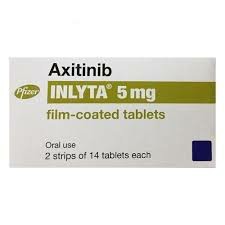
Axitinib (Axitinib) is an oral small molecule tyrosine kinase inhibitor (TKI), which mainly works by selectively inhibiting vascular endothelial growth factor receptor (VEGFR- 1, VEGFR-2, VEGFR-3), block tumor angiogenesis, and inhibit tumor proliferation and metastasis. It is primarily used to treat advanced clear cell renal cell carcinoma (RCC), especially in patients who are resistant to initial therapy or other targeted drugs. Due to its potent anti-angiogenic effect, axitinib has significant clinical value in improving progression-free survival (PFS) and overall survival (OS) but may also induce a range of manageable side effects.
2. Common types of side effects
1.Hypertension (Hypertension): This is one of the most common side effects. Inhibition of the VEGFR signaling pathway by axitinib can lead to vasoconstriction and increased peripheral resistance, thereby causing an increase in blood pressure. Most patients develop symptoms within 2 to 4 weeks at the beginning of medication, which can manifest as mild or moderate hypertension. In severe cases, it may lead to an increase in cardiac burden.
2.Gastrointestinal reactions: including diarrhea, nausea, vomiting, loss of appetite and oral ulcers, etc. Most of these symptoms are mild to moderate, but if they persist for a long time, they will affect the patient's nutritional absorption and quality of life.
3.Fatigue and weakness: This is a common systemic side effect of TKI drugs, which may be related to the tumor itself, metabolic changes and drug action mechanism. Patients often present with mild to moderate physical decline and need to adjust their life rhythm and take reasonable rest.
4.Hand-foot syndrome (Palmar-Plantar Erythrodysesthesia): manifests as erythema, pain or desquamation of the palms and soles, especially after continued medication, affecting daily activities.
5.Abnormal liver function: Some patients may experience elevated serum aminotransferases (ALT, AST) or elevated bilirubin, indicating that the liver may be affected to a certain extent and requires close monitoring.
6.Other rare side effects: including proteinuria, bleeding tendency, thyroid dysfunction, muscle spasm, etc. Although the incidence of these reactions is low, they still need to be paid attention to, especially in patients taking long-term medication.
3. Scientific treatment methods after side effects occur
1.Hypertension management: Blood pressure should be monitored before medication and during treatment. It is recommended that patients self-test their blood pressure every day. Mild hypertension can be controlled through lifestyle intervention (low-salt diet, moderate exercise); moderate or persistently elevated hypertension requires combined treatment with antihypertensive drugs (such as ACEI, ARB or calcium channel blockers). If high blood pressure is severe or difficult to control, your doctor may recommend temporarily stopping the drug or adjusting the dose of axitinib.
2. Treatment of gastrointestinal symptoms: Diarrhea or nausea can be relieved by rehydration, oral antidiarrheals or anti-vomiting drugs. It is also recommended to eat small amounts and eat a light diet. In the event of severe dehydration or malnutrition, seek medical attention promptly and suspend medication and supplement nutritional support if necessary.
3.Coping with fatigue and weakness: It is recommended that patients arrange their work and rest reasonably, avoid overexertion, and combine nutritional support and moderate exercise. Symptoms can be relieved by pharmacological intervention (such as mild analgesia or energy supplements) when necessary, but should be used under the guidance of a physician.
4.Management of hand-foot syndrome: Mild symptoms can be relieved by local moisturizing, avoiding friction or applying heat. In severe cases, short-term discontinuation or dose adjustment may be considered. Topical corticosteroid ointments or pain relievers may also reduce symptoms.
5. Abnormal liver function and other laboratory abnormalities: Liver function and renal function should be evaluated before treatment, and blood routine and liver function indicators should be reviewed regularly. If abnormalities are found, the dose should be adjusted according to the severity or the drug should be temporarily discontinued, and drug intervention or liver protection measures should be taken if necessary.
4. Patient management and monitoring recommendations
While using axitinib, patients should follow the doctor's instructions to complete the entire course of treatment, and at the same time regularly review indicators such as blood pressure, blood routine, liver and kidney function, and urine routine to detect and deal with side effects in a timely manner. During drug use, you should maintain good living habits, a balanced diet, avoid excessive fatigue and the risk of infection, and maintain communication with your doctor. In the event of severe discomfort or danger signs, seek medical attention immediately. Through scientific and systematic side effect management, most adverse reactions can be effectively controlled, and patients can still successfully complete treatment and obtain maximum clinical benefit.
Axitinib, as an important targeted drug for advanced clear cell renal cell carcinoma, has significant efficacy and the advantage of delaying tumor progression. However, due to its inhibition of angiogenesis and multi-target effects, patients may experience side effects such as hypertension, gastrointestinal reactions, fatigue, hand-foot syndrome, and abnormal liver function. Through standardized monitoring, reasonable drug adjustments and lifestyle intervention, most of these adverse reactions can be effectively managed. Scientific and systematic side effect management not only ensures the safety of medication, but also helps patients successfully complete the treatment course and improve treatment effects and quality of life.
Reference materials:https://www.drugs.com/
[ 免责声明 ] 本页面内容来自公开渠道(如FDA官网、Drugs官网、原研药厂官网等),仅供持有医疗专业资质的人员用于医学药学研究参考,不构成任何治疗建议或药品推荐。所涉药品可能未在中国大陆获批上市,不适用于中国境内销售和使用。如需治疗,请咨询正规医疗机构。本站不提供药品销售或代购服务。


