
.jpeg)
Common side effects of imatinib (Gleevec) and patient safety medication guidance
1. Drug Overview and Mechanism of Action
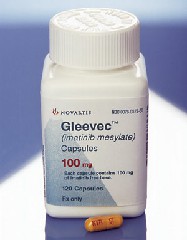
Imatinib (Imatinib) is an oral small molecule tyrosine kinase inhibitor (TKI), which mainly targets receptor tyrosine kinases such as BCR-ABL fusion gene, c-KIT and PDGFR. It inhibits the proliferation of leukemia cells and other tumor cells and induces apoptosis by blocking abnormally activated signaling pathways. Clinically, imatinib is mainly used for chronic myelogenous leukemia (CML), gastrointestinal stromal tumor (GIST) and other specific BCR-ABL or c-KIT positive tumors. It is convenient to take orally and has clear efficacy, making it an important drug in the field of targeted therapy.
2. Common types of side effects
1.Digestive system reactions: including nausea, vomiting, diarrhea, abdominal pain, loss of appetite, etc. These symptoms are most common in the early stages of medication, are usually mild to moderate, and can be relieved as the medication adapts. If it exists for a long time or worsens, you should communicate with your doctor in time, and if necessary, relieve it with drugs or dietary adjustments.
2.Hematological reactions: leukopenia, thrombocytopenia or anemia may occur. Hematological side effects need to be monitored regularly through blood routine, especially in the first few months of treatment. If serious hematological abnormalities occur, the doctor may adjust the dose or temporarily discontinue the drug.
3.Skin and mucous membrane reactions: manifested as rash, itching, pigmentation or slight erythema on the skin of the palms and soles, etc. A small number of patients may have severe allergic reactions.
4. Edema and cardiovascular reactions: including eyelid edema, lower limb edema, mild palpitations and blood pressure changes. Some patients may experience weight gain or lower extremity edema due to fluid retention, and require regular monitoring of weight and blood pressure.
5.Other adverse reactions: fatigue, headache, muscle spasm, joint pain, elevated liver enzymes, etc. may also occur during medication. Most symptoms are mild to moderate side effects that can be managed.
3. Scientific treatment methods after side effects occur
1.Digestive system side effects: These can be relieved by taking medicine with meals, small meals or oral anti-vomiting drugs. If the symptoms are severe leading to dehydration or malnutrition, you should seek medical treatment promptly and adjust the dose or temporarily discontinue the medication if necessary.
2. Hematological abnormalities: Regular blood routine monitoring is required. If white blood cells, platelets or hemoglobin decrease significantly, the doctor may reduce the dose or suspend treatment, and then readjust the dose after recovery.
3.Skin and mucous membrane reactions: Mild rashes can be relieved with topical moisturizing or anti-allergic drugs. Severe or systemic rash requires immediate medical attention and consideration of discontinuation or dose adjustment.
4. Edema and cardiovascular problems: Mild edema can be controlled by raising the lower limbs and reducing salt intake. If severe edema, palpitations or difficulty breathing occur, you should seek medical treatment in time and use diuretics or adjust the dosage according to the doctor's advice.
5.Abnormal liver function: Liver function indicators (ALT, AST, bilirubin, etc.) need to be monitored regularly. If there is an increase, the dose should be suspended or adjusted, and liver protection measures should be taken.
4. Patient guidance on safe medication use
1. Take medication as directed by your doctor: Imatinib should be swallowed whole and should not be broken or crushed. Try to take the medicine at a fixed time to keep the blood concentration stable.
2.Life management: Patients should maintain a balanced diet, moderate exercise, adequate sleep, and avoid overexertion.
Regular review: During treatment, blood routine, liver and kidney function, and necessary cardiac and imaging examinations need to be reviewed regularly to detect potential side effects in a timely manner.
3. Pay attention to abnormal symptoms: If obvious bleeding, infection, severe rash, difficulty breathing, jaundice or persistent high fever occur, seek medical attention immediately.
4.Drug interactions: Patients need to inform their doctors about all the drugs they are taking, including traditional Chinese medicine and health care products, to prevent potential interactions from affecting efficacy or increasing the risk of side effects.
Imatinib, as an important drug for targeted therapy, has significant efficacy in diseases such as chronic myelogenous leukemia and GIST. However, due to its multi-target effects, patients may experience side effects such as digestive system discomfort, hematological abnormalities, skin reactions, edema, and abnormal liver function during treatment. Through scientific monitoring, timely treatment and life management, most adverse reactions can be effectively controlled. Strictly following the doctor's instructions for medication use, regular review and reasonable lifestyle adjustments are the keys to ensuring the safety of treatment and maximizing the efficacy.
Reference materials:https://www.drugs.com/
[ 免责声明 ] 本页面内容来自公开渠道(如FDA官网、Drugs官网、原研药厂官网等),仅供持有医疗专业资质的人员用于医学药学研究参考,不构成任何治疗建议或药品推荐。所涉药品可能未在中国大陆获批上市,不适用于中国境内销售和使用。如需治疗,请咨询正规医疗机构。本站不提供药品销售或代购服务。


