
.jpeg)
Long-term REACH3 data confirms the efficacy of ruxolitinib tablets/Jakavi in u200bu200bsteroid-refractory cGVHD
New long-term data from the Phase 3 REACH3 study (NCT03112603) demonstrate that Ruxolitinib has sustained efficacy and a manageable safety profile over 3 years in patients with steroid-refractory/dependent chronic graft-versus-host disease (SR/D-cGVHD). These findings underscore the role of ruxolitinib tablets as an effective treatment option for this challenging patient population, confirming and extending the positive results from the primary 24-week analysis.
The study randomized 329 patients (165 to ruxolitinib tablets and 164 to the best available therapy [BAT]), the results showed that the median failure-free survival (FFS) of ruxolitinib tablets at 38.4 months was significantly longer (HR 0.36; 95%CI, 0.27-0.49). This sustained benefit was evident at 36 months, with 56.5% of patients receiving ruxolitinib tablets experiencing FFS compared with 18.2% of patients receiving BAT. Likewise, the median duration of response (DOR) was not reached with ruxolitinib compared with 6.4 months with BAT, suggesting a longer-lasting response to JAK inhibitors. At 36 months, 59.6% of patients treated with ruxolitinib tablets maintained a response, compared with 26.7% in the BAT group.
Additionally, the study authors noted that ruxolitinib provided clinical benefit whether used as a second- or third-line option, consistent with an analysis showing that responses were not affected by the timing of ruxolitinib initiation. However, ruxolitinib tablets are recommended for second-line use in cGVHD.
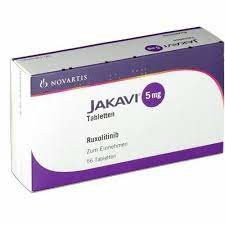
cGVHD is a serious complication of allogeneic hematopoietic stem cell transplantation, and corticosteroids are the cornerstone of first-line treatment. However, a significant proportion of patients develop steroid refractory or dependence and require alternative treatment strategies. Ruxolitinib tablets are a potent and selective inhibitor of JAK1 and JAK2, and have become a key second-line drug for cGVHD. It was approved based on the preliminary positive results of the REACH3 trial and was subsequently recommended in clinical guidelines.
The long-term follow-up of REACH3 aims to evaluate the prolonged efficacy and safety of ruxolitinib tablets and to evaluate the transition from BAT to ruxolitinib tablets's patient response. This open-label, multicenter study allows patients initially randomized to BAT to switch to ruxolitinib after week 24 if their condition warrants it.
Neither group reached overall survival (OS), and there was no significant difference in risk of death between the two groups (HR, 0.85; 95% CI, 0.54-1.33). The study also reported low non-relapse mortality (NRM) and malignancy recurrence rates, with overlapping incidence curves between the two groups. It is worth noting that during the study period, the corticosteroid dose decreased in both groups, with 55.3% and 36.4% of patients in the ruxolitinib tablets group and BAT group achieving complete corticosteroid reduction, respectively. The potential for ruxolitinib tablets to sustain long-term responses was observed, independent of baseline organ involvement, including difficult-to-treat organs such as the lungs and liver.
An important aspect of the study was the crossover analysis, which included 70 patients who were switched from BAT to ruxolitinib tablets. In this cohort, the overall response rate (ORR) at week 24 of the crossover period was 50.0%, and the best overall response (BOR) was 81.4%. These response rates are consistent with those observed in the preliminary analysis of patients initially randomized to ruxolitinib and suggest that ruxolitinib may provide clinical benefit even as a late-stage treatment option. In addition, responses in nearly three-quarters of crossover patients lasted for more than 2 years.
Regarding safety, the long-term characteristics of ruxolitinib tablets were consistent with previous reports, and no new safety signals were identified. The median duration of exposure to ruxolitinib tablets was significantly longer (52.9 weeks) compared with BAT (24.1 weeks). After adjusting the exposure time, the incidence of grade ≥3 adverse events (AEs) and serious AEs was lower in the ruxolitinib tablets group. Anemia was the most common adverse event, grade ≥3 associated with ruxolitinib tablets, and pneumonia was the most common adverse event leading to discontinuation.
Infection was the most common adverse event of special concern, although the majority wereGrade 2. The incidence of cytomegalovirus infection was similar in both groups. Death during treatment in both groups was mainly attributed to cGVHD. Adverse event profiles in the crossover population were similar to those in the randomized ruxolitinib arm, further supporting its consistency and long-term safety.
Reference materials:https://www.targetedonc.com/view/long-term-reach3-data-confirm-ruxolitinib-s-efficacy-in-steroid-refractory-cgvhd
[ 免责声明 ] 本页面内容来自公开渠道(如FDA官网、Drugs官网、原研药厂官网等),仅供持有医疗专业资质的人员用于医学药学研究参考,不构成任何治疗建议或药品推荐。所涉药品可能未在中国大陆获批上市,不适用于中国境内销售和使用。如需治疗,请咨询正规医疗机构。本站不提供药品销售或代购服务。


