
.jpeg)
The latest instructions and usage instructions for Clofazimine/Sempra
Clofazimine (Clofazimine) is a synthetic phenazine dye derivative, which is an anti-leprosy drug that has been clinically used for a long time. It was originally developed as an anti-tuberculosis drug, but in clinical practice it was found to have a significant inhibitory effect on Mycobacterium leprae, so it gradually established its core position in the treatment of leprosy.
Clofazimine is usually not used as a single drug, but as an important part of a multi-drug combination regimen, paired with dapsone and rifampicin to reduce the development of drug resistance and improve efficacy. Its clinical indications include multibacillary leprosy and cases of dapsone intolerance or resistance. It also has a unique role in the management of leprosy reactions such as erythematous nodular leprosy. In recent years, clofazimine has also been studied for use in atypical mycobacterial infections, especially in patients with AIDS, but the efficacy is not ideal, so leprosy is still the main indication.
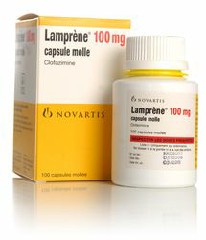
In terms of usage, the instructions for clofazimine emphasize that the dose needs to be adjusted according to the patient's type of condition and accompanying symptoms.
For patients with various types of leprosy who are resistant to dapsone, the usual dose is daily oral administration of 50 to 100 mg and must be combined with other anti-leprosy drugs to ensure efficacy and avoid drug resistance.
For patients with erythematous nodular leprosy reactions and high risk factors for nerve damage or skin ulcers, the dose can be increased to 100 to 300 mg, and combined with glucocorticoids such as prednisone to reduce inflammatory reactions and tissue damage.
It is worth noting that in the first two months after starting clofazimine treatment, the concentration of the drug in the tissues gradually accumulates, so prednisone usually cannot be stopped immediately, but the dose is gradually reduced after the condition is effectively controlled, and finally clofazimine is maintained at a daily dose of 100 mg. For patients without severe neurological or skin lesions, conventional dapsone-resistant leprosy regimens can be followed.
In dapsone-sensitive forms of leprosy, clofazimine has also been recommended for use in combination with two other antileprosy drugs. The three-drug treatment should be combined for at least two years until the patient's skin smear test results turn negative. After that, it will gradually transition to maintenance treatment and a suitable drug will be selected to continue to consolidate the curative effect. Such a long-term combination regimen not only helps to completely control M. leprae, but also reduces the risk of recurrence and drug resistance. It should be noted that the maximum recommended dose of clofazimine is daily300 mg. Exceeding this dose may increase the risk of serious adverse reactions, so it must be strictly followed in clinical application. Regarding pediatric dosage, there is currently no unified and clear recommended standard, so it needs to be formulated individually under the guidance of a specialist.
In terms of clinical safety, clofazimine has its own particularities. Since the drug is a dye compound that is easily deposited in the skin, cornea and conjunctiva, patients often experience color changes in the skin and body fluids after long-term use, appearing as dark red or tan. Although this side effect is not harmful to the body, it may affect appearance and psychological acceptance, so it needs to be fully explained to the patient before treatment. In addition, some patients may experience gastrointestinal reactions, such as abdominal pain, loss of appetite, or diarrhea, which may even lead to intestinal obstruction in severe cases. Therefore, long-term treatment requires regular follow-up and monitoring. When doctors formulate a medication plan, they usually take the patient's overall health, liver and kidney function, and other concomitant medications into consideration to ensure safety.
Reference materials:https://www.novartis.com/our-products/pipeline/clofazimine
[ 免责声明 ] 本页面内容来自公开渠道(如FDA官网、Drugs官网、原研药厂官网等),仅供持有医疗专业资质的人员用于医学药学研究参考,不构成任何治疗建议或药品推荐。所涉药品可能未在中国大陆获批上市,不适用于中国境内销售和使用。如需治疗,请咨询正规医疗机构。本站不提供药品销售或代购服务。


