
.jpeg)
Sorafenib/Nexavar vs Lenvatinib, which one is better?
Sorafenib/Nexavar and Lenvatinib (Lenvatinib) are both important oral targeted drugs currently used to treat malignant tumors such as hepatocellular carcinoma, renal cell carcinoma, and thyroid cancer. They are all multi-target tyrosine kinase inhibitors, but there are certain differences in their mechanisms of action, applicable populations, clinical efficacy and side effect characteristics. Therefore"Which one is better" is not an absolute conclusion, but depends on the patient's specific condition, gene mutation status, tolerance and availability of medical resources.
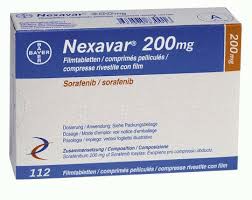
In terms of development time, sorafenib was the first targeted drug approved for advanced hepatocellular carcinoma in the world. It entered clinical practice in 2007 and became the only standard treatment drug at that time that could prolong overall survival. It mainly blocks tumor cell proliferation by inhibiting the RAF/MEK/ERK signaling pathway. It also targets VEGFR, PDGFR and other receptors to inhibit angiogenesis, achieving the dual role of "both controlling cells and cutting off blood supply." Over the past decade or so, sorafenib has brought new treatment options to countless patients with advanced liver cancer and kidney cancer, establishing its status as a multi-target targeted drug.
Lenvatinib is a new generation of multi-target inhibitor that emerged later. It has a wider range of targets and is especially advantageous in inhibiting angiogenesis. Lenvatinib can potently inhibit multiple receptors such asVEGFR1-3, FGFR1-4, PDGFRα, RET, and KIT. It not only blocks the VEGF-related angiogenesis pathway, but also covers the FGF signaling pathway, which has a stronger inhibitory effect on the formation of new blood vessels after tumor resistance. Because of this, lenvatinib has shown higher objective response rates and longer progression-free survival in some studies. Especially in the first-line treatment of advanced liver cancer, lenvatinib is considered to be superior to sorafenib on some endpoints, and therefore has gradually become the first-line option recommended in some guidelines.
In terms of clinical application, sorafenib has the advantage of rich experience and stable efficacy. It is suitable for most patients with advanced liver cancer and renal cancer. It has been widely marketed in China and entered into medical insurance, and the patient access path is more mature. Although lenvatinib started late, it has shown certain advantages in efficacy due to its wider target coverage. It is especially suitable for patients who need rapid tumor shrinkage, or are intolerant to sorafenib or have progressed. Its application in other indications such as thyroid cancer and endometrial cancer has also been continuously expanded, providing more options for clinical treatment.
However, from the perspective of side effects, the two also have different characteristics. Hand-foot skin reactions, diarrhea, and fatigue were common with sorafenib, while hypertension, proteinuria, and decreased appetite were more likely to occur with lenvatinib. This means that when choosing a drug, patients need to make a comprehensive judgment based on their physical condition, previous underlying diseases, and tolerance to adverse reactions.
Therefore, from the perspective of the breadth and update of efficacy, lenvatinib has shown better anti-tumor activity than sorafenib in some studies, especially in the field of advanced liver cancer. However, from the perspective of long-term application value, medical insurance accessibility and medication experience, sorafenib is still a stable, mature and widely used first-line solution. For patients, the choice of sorafenib or lenvatinib cannot be generalized as "who is better", but requires a comprehensive evaluation by doctors based on tumor type, stage, genetic status, physical tolerance and economic conditions.
Reference materials:https://www.nexavar.com/
[ 免责声明 ] 本页面内容来自公开渠道(如FDA官网、Drugs官网、原研药厂官网等),仅供持有医疗专业资质的人员用于医学药学研究参考,不构成任何治疗建议或药品推荐。所涉药品可能未在中国大陆获批上市,不适用于中国境内销售和使用。如需治疗,请咨询正规医疗机构。本站不提供药品销售或代购服务。


