
.jpeg)
What does the instructions for Acotiamide contain?
Acotiamide is a prescription drug used to improve functional dyspepsia (Functional Dyspepsia, FD). In overseas clinical applications, this drug is mainly used to relieve patients' symptoms such as postprandial fullness, upper abdominal fullness, and early satiety. It is especially suitable for people who still have obvious discomfort after excluding organic diseases.
1. Indications
The main indication of acotiamide is Functional dyspepsia (FD), which is especially suitable for improving symptoms such as postprandial fullness, upper abdominal distension and early satiety. This product has not been clinically proven to improve mid-upper abdominal pain and burning sensation, so patients should clearly distinguish the type of symptoms before taking the drug.
Before starting treatment, doctors usually ask patients to undergo a gastroscopy to rule out organic diseases such as gastric cancer and ensure that the source of symptoms is functional rather than organic.
2. Recommended dosage and usage
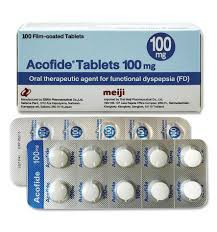
1. Recommended dose: The usual dose is oral 100 mg/tablet, one tablet each time, three times a day. It is recommended to take it before meals.
2. Medication method: Swallow the tablet whole and avoid chewing it to ensure stable release and absorption of the drug in the gastrointestinal tract.
3. Treatment course recommendations: If the patient’s symptoms do not improve within 1 month of taking the medication , discontinuation of use should be considered. If symptoms persist for a long time or worsen, potential organic diseases should be further investigated. Even if symptoms continue to improve, the drug should be discontinued as directed by your doctor and avoid long-term use without medical supervision.
3. Adverse reactions
Acotiamide is well tolerated in most cases, but some patients may experience the following adverse reactions:
Digestive system related: diarrhea, constipation.
Abnormal liver function indicators: Elevated ALT, increased AST, increased γ-GTP.
Endocrine and metabolic related: increased serum prolactin and increased blood triglycerides.
It is clinically recommended to regularly monitor liver function and blood lipid levels during medication to ensure drug safety.
4. Pharmacological effects
The primary mechanism of action of acotiamide is acetylcholinesterase inhibition. In in vitro experiments, the drug can inhibit acetylcholinesterase, thereby enhancing cholinergic neurotransmission, improving gastrointestinal motility, promoting gastric emptying and secretion of digestive juices, and improving symptoms related to functional dyspepsia. Unlike traditional prokinetic drugs, acotiamide’s mechanism is more targeted and its side effects are relatively controllable.
5. Things to note
Serious diseases such as gastric cancer and peptic ulcer must be clearly ruled out before use. It should not be used in combination with other powerful prokinetic drugs for a long time to prevent increased burden on the gastrointestinal tract. Suitability for use of this drug should be carefully evaluated in patients with impaired hepatic function. There is limited safety research data for pregnant and lactating women, so you should consult your doctor before use.
6. Storage and stability
Acotiamide needs to be stored at room temperature and away from direct sunlight and humid environment. It is recommended to store medications in their original packaging to prevent the active ingredients of the medication from being affected by environmental factors.
Reference: https://www.rad-ar.or.jp/siori/english/search/result?n=33322
[ 免责声明 ] 本页面内容来自公开渠道(如FDA官网、Drugs官网、原研药厂官网等),仅供持有医疗专业资质的人员用于医学药学研究参考,不构成任何治疗建议或药品推荐。所涉药品可能未在中国大陆获批上市,不适用于中国境内销售和使用。如需治疗,请咨询正规医疗机构。本站不提供药品销售或代购服务。


