
.jpeg)
What are the effects of Acotiamide?
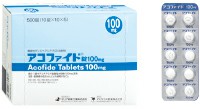
Acotiamide (Acotiamide) is a drug that has received widespread attention in the field of functional dyspepsia (Functional Dyspepsia, FD) treatment in recent years. It was first approved for use in Japan and Russia and belongs to the acetylcholinesterase inhibitor class of drugs. Its main mechanism of action is to increase the concentration of acetylcholine, a neurotransmitter, in the synaptic cleft by inhibiting acetylcholinesterase, thereby enhancing gastrointestinal motility, promoting gastric emptying and improving coordination of the digestive tract. Because of this, acotiamide has unique advantages in relieving typical functional dyspepsia symptoms such as postprandial fullness, epigastric bloating, and early satiety.
Functional dyspepsia is a common chronic gastrointestinal disease. Its pathogenesis is complex and related to factors such as abnormal gastric motility, gastric adaptability disorder, and visceral hypersensitivity. Patients often present with obvious fullness within a short period of time after a meal, or even a strong feeling of fullness after eating only a small amount of food, accompanied by upper abdominal discomfort or distension. Traditional treatments mostly rely on proton pump inhibitors or prokinetic drugs, but the efficacy is not ideal in some patients. The emergence of acotiamide provides a new treatment option for such refractory patients.
In terms of application effects, acotiamide improves gastric motility by enhancing acetylcholine signaling, which can significantly relieve symptoms related to postprandial fullness and help patients extend the comfort time of eating. In addition, it has a positive effect on gastric adaptation, whereby the stomach is better able to expand to accommodate food after eating, thus reducing early satiety. Some patients also experience an improvement in their overall quality of life after taking the drug, including increased pleasure in eating and relief from anxiety about indigestion.
The safety profile of acotiamide is generally good. The experience of its use in Japan and Russia shows that most of its common adverse reactions are mild, such as mild headache, nausea or constipation, and most of them can be relieved on their own. However, since the drug is not yet on the market in China, and relevant experience mainly relies on overseas data, doctors still need to evaluate whether it is suitable for individual conditions before use.
Reference: https://www.rad-ar.or.jp/siori/english/search/result?n=33322
[ 免责声明 ] 本页面内容来自公开渠道(如FDA官网、Drugs官网、原研药厂官网等),仅供持有医疗专业资质的人员用于医学药学研究参考,不构成任何治疗建议或药品推荐。所涉药品可能未在中国大陆获批上市,不适用于中国境内销售和使用。如需治疗,请咨询正规医疗机构。本站不提供药品销售或代购服务。


