
.jpeg)
Detailed analysis of the efficacy, functions and indications of pirfenidone (Aisri)
Pirfenidone is an oral anti-fibrotic drug mainly used to treat idiopathic pulmonary fibrosis (IPF). IPFIt is an interstitial lung disease with unknown cause and progressive exacerbation. The patient's lung tissue develops fibrosis, inflammation and alveolar structural destruction, leading to a gradual decline in lung function. In severe cases, it can cause respiratory failure or even death. As one of the currently clinically approved anti-fibrotic drugs, pirfenidone slows disease progression through multiple mechanisms and provides patients with an important treatment option.
From the perspective of mechanism of action, pirfenidone has triple effects of anti-inflammatory, antioxidant and anti-fibrosis. It can inhibit profibrotic factors such as transforming growth factor-β (TGF-β), platelet-derived growth factor ( PDGF) and tumor necrosis factor-α (TNF-α) activity, thereby reducing the process of pulmonary interstitial fibrosis. At the same time, pirfenidone can reduce fibroblast proliferation and collagen deposition and improve lung tissue structure. In addition, it also has a certain antioxidant effect, reducing the damage of oxidative stress to lung tissue by reducing the generation of oxygen free radicals.
In terms of indications, pirfenidone is mainly used to treat adult patients with idiopathic pulmonary fibrosis (IPF). Clinical studies have shown that pirfenidone can significantly slow down the decline of lung function, delay the decline of forced vital capacity (FVC), and improve patients' exercise tolerance and quality of life. In a number of phase III clinical trials, including CAPACITY and ASCEND, compared with the placebo group, patients treated with pirfenidone had a significantly smaller decline in median FVC and a lower incidence of acute exacerbations, showing good efficacy.
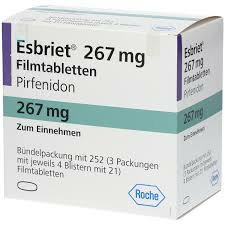
It is also necessary to pay attention to drug safety and monitoring when using pirfenidone. Common adverse reactions include rash, photosensitivity reactions, gastrointestinal discomfort (such as nausea, loss of appetite, diarrhea), and increased liver function indicators. To reduce the risk of photosensitivity reactions, patients should avoid exposure to strong sunlight and take protective measures during outdoor activities. In terms of liver function, it is recommended to regularly monitor liver enzyme levels. If abnormalities occur, the dose should be adjusted promptly or the drug should be temporarily discontinued. In addition, patients should strictly follow the doctor's instructions while using pirfenidone and reasonably arrange the medication time and dosage to ensure the efficacy and safety of the drug.
In summary, pirfenidone, as a representative drug for anti-fibrotic treatment, plays an important role in the treatment of idiopathic pulmonary fibrosis. It delays the decline of lung function and improves patients' quality of life through multiple mechanisms such as anti-fibrosis, anti-inflammatory and antioxidant, and provides an effective clinical treatment. However, due to its potential side effects and individual differences, patients need to strictly follow the doctor's instructions during medication, conduct regular reviews, and manage the disease in conjunction with lifestyle interventions (such as smoking cessation, reasonable exercise, and nutritional support) to maximize drug efficacy and prolong patient survival.
Reference materials:https://www.drugs.com/
[ 免责声明 ] 本页面内容来自公开渠道(如FDA官网、Drugs官网、原研药厂官网等),仅供持有医疗专业资质的人员用于医学药学研究参考,不构成任何治疗建议或药品推荐。所涉药品可能未在中国大陆获批上市,不适用于中国境内销售和使用。如需治疗,请咨询正规医疗机构。本站不提供药品销售或代购服务。


