
.jpeg)
Pirfenidone (Asri) drug package insert content and medication operation guide
Pirfenidone is an oral anti-fibrotic drug mainly used to treat patients with idiopathic pulmonary fibrosis (IPF). Its main mechanism of action includes inhibiting transforming growth factor β (TGF-β) and various pro-fibrotic cytokines, reducing collagen deposition, thereby slowing down the fibrosis process of lung tissue and improving lung function decline. As an oral medication, the correct use and safe administration of pirfenidone are critical to therapeutic efficacy and patient quality of life.
Drug package insert content
The instructions for pirfenidone detail the indications, usage and dosage, adverse reactions and contraindications. The main indications are the treatment of idiopathic pulmonary fibrosis, which is used to slow down the decline of lung function and delay the progression of the disease. The recommended starting dose is usually 200 mg three times a day, gradually increasing to a total daily dose over 2 to 4 weeks. Dosage 2400mg (800mg three times /days) to enhance tolerance and reduce gastrointestinal discomfort. The instructions emphasize that dosage adjustments should be made under the guidance of a physician, especially when serious adverse reactions or liver function abnormalities occur.
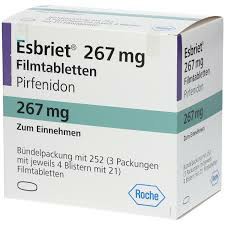
Medication Instructions
Pirfenidone should be taken with food to reduce gastrointestinal discomfort. Patients should take medication at a fixed time every day and avoid missing doses or increasing or decreasing the dose on their own. If a dose is missed, the dose should be taken as soon as possible. However, if it is close to the next dose time, skip the missed dose and do not take double dose. During the initial phase, it is recommended to gradually increase the dose so that the patient's tolerance to the drug is gradually established. During the maintenance phase of the treatment course, the total daily dose should be strictly followed and arbitrary adjustments should be avoided to ensure the efficacy.
Adverse reactions and safety management
Common adverse reactions include nausea, loss of appetite, indigestion, diarrhea, rash, photosensitivity reactions, and mild to moderate liver function abnormalities. For skin photosensitivity, patients should avoid prolonged exposure to bright light and use sunscreen and shade when going out. Patients with abnormal liver function need to regularly monitor liver function indicators, such as ALT, AST and bilirubin levels. If serious side effects occur, you should contact your doctor promptly and adjust the dose or temporarily discontinue the medication if necessary. Patients taking long-term medication should pay attention to blood routine and renal function monitoring to reduce potential risks.
Patient education and follow-up
While using pirfenidone, patients should receive systematic health education, including medication methods, potential adverse reactions and coping strategies. Regular follow-up is very important to evaluate efficacy and safety. It is generally recommended that every 1-3Recheck lung function, hematology and liver and kidney function indicators every month. The doctor can adjust the dose or optimize the treatment plan based on the review results. In addition, patients should pay attention to lifestyle interventions, such as quitting smoking, exercising moderately, and maintaining good nutritional status, to assist in drug efficacy and improve quality of life.
In general, pirfenidone, as an oral anti-fibrotic drug for the treatment of idiopathic pulmonary fibrosis, has the effect of delaying the decline of lung function and improving disease progression. Its correct use includes gradually increasing the dose, taking it with meals, taking the medicine strictly according to the doctor's instructions, regular monitoring of biochemical indicators and protective measures. Through scientific and standardized medication management and patient education, the therapeutic effect of pirfenidone can be maximized, while the occurrence of adverse reactions can be reduced, and the safety and compliance of patients' long-term treatment can be improved.
Reference materials:https://www.drugs.com/
[ 免责声明 ] 本页面内容来自公开渠道(如FDA官网、Drugs官网、原研药厂官网等),仅供持有医疗专业资质的人员用于医学药学研究参考,不构成任何治疗建议或药品推荐。所涉药品可能未在中国大陆获批上市,不适用于中国境内销售和使用。如需治疗,请咨询正规医疗机构。本站不提供药品销售或代购服务。


