
.jpeg)
Analysis of the detailed instructions and medication guide for Canafenib/Encofenib (Betavi)
1. Basic information about drugs
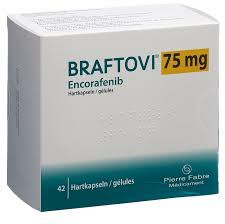
Canafenib, also known as Encorafenib (Encorafenib), is an oral small molecule BRAF inhibitor with the trade name Braftovi. The drug was developed by Array BioPharma and is produced and sold by Pfizer. Canafenib mainly inhibits the kinase activity of BRAF V600 mutant protein, thereby blocking the abnormal activation of MAPK/ERK signaling pathway, thereby inhibiting the growth and proliferation of tumor cells. Clinically, it is often used in combination with the MEK inhibitor trametinib (Trametinib) or Binimetinib to enhance the anti-tumor effect.
Its main indications include:
BRAF V600E or V600K mutated unresectable or metastatic melanoma;
BRAF V600EMutant colorectal cancer (mCRC) (often used in combination with cetuximab);
In some countries, indications for other BRAF mutation-related solid tumors are being explored.
2. Recommended usage and dosage
Canafenib is in oral capsule form, and the current common specification is 75mg. The recommended medication methods for different indications are slightly different, and you need to follow the doctor's prescription.
1.Melanoma treatment: the recommended dose is Orally administered 450mg (i.e. 75mg
2.Colorectal cancer treatment: the recommended dose is oral daily300mg (75mg×4 tablets), taken as a single dose, usually in combination with cetuximab.
3. Mode of administration: Canafenib can be taken with food or on an empty stomach, but the capsule must be swallowed whole and must not be chewed, broken or dissolved.
If a patient experiences serious adverse reactions, such as severe rash, liver damage, or retinopathy, the doctor may recommend reducing the dose or suspending the medication.
4.Common dose adjustment strategies include:
Reduce from 450mg/day to 300mg/day;
If necessary, it can be further reduced to 225mg/day;
If the lowest dose is not tolerated, the drug usually needs to be discontinued.
3. Adverse reactions and safety management
Canafenib is similar to otherBRAF inhibitors in that it can cause a series of adverse reactions and requires enhanced monitoring during treatment.
1.Common adverse reactions:
Skin reactions: such as rash, photosensitivity reaction, dry skin, and some patients may develop squamous cell carcinoma or skin papilloma.
Gastrointestinal reactions: including nausea, vomiting, loss of appetite, and diarrhea.
Abnormal liver function: elevated transaminases and elevated bilirubin.
Abnormal vision: retinopathy, blurred vision.
Others: joint pain, fatigue, tachycardia or QT interval prolongation.
2.Key points of safety management:
Liver function (AST, ALT, bilirubin) needs to be checked regularly before and during treatment;
Monitor ECG and pay attention to the risk ofQT interval prolongation;
If the patient develops new skin lesions, he or she should seek prompt dermatology consultation;
Have regular eye exams to be alert for retinopathy.
4. Contraindications and Precautions
There are certain contraindications to the use of canafenib and people who need to be cautious:
1.Contraindications: It is prohibited for those who are allergic to the active ingredients or excipients of this product.
2.Pregnancy and lactation: Animal experiments indicate that it has teratogenic effects, and its use is not recommended for pregnant and lactating women. Women of childbearing age should take effective contraceptive measures during treatment.
3.Children and Adolescents: There is currently a lack of safety and efficacy data for people under the age of 18 and its use is not recommended.
4. Patients with hepatic and renal insufficiency: Patients with mild to moderate liver damage or renal insufficiency need to use the drug with caution, and those with severe injuries need to adjust the dose according to the doctor's evaluation.
5. Medication Guide and Patient Education
The treatment course of canafenib is usually long, and patients need to adhere to the medication for a long time and follow up closely. The following points are very important to patients:
1.Strictly follow the doctor’s instructions: Do not increase or decrease the dosage or stop taking the medicine on your own. If you miss a dose, you can make up for it within 12 hours. If you miss a dose, you can skip it if it exceeds 12 hours. Do not double the dose.
2.Sun protection measures: Because drugs can easily cause photosensitivity reactions, you should use sunscreen, wear long-sleeved clothes, and wear a hat when going out.
3.Pay attention to concomitant medication: Canafenib is mainly metabolized by CYP3A4, and combined with strong CYP3A4 inhibitors (such as ketoconazole, clarithromycin) or inducers (such as rifampicin, carbamazepine) may affect the efficacy of the drug and should be avoided.
4.Monitoring and follow-up: Hematological indicators, liver and kidney function and electrocardiogram should be reviewed regularly to ensure the safety of medication.
5.Lifestyle coordination: eating a balanced diet and avoiding alcohol and irritating foods can help reduce gastrointestinal side effects.
Canafenib (Encorafenib), as a BRAF inhibitor, has become an important treatment option for BRAF V600 mutant melanoma and colorectal cancer. Its therapeutic effect is definite, but it comes with certain risks, and patients need to take long-term and standardized medication under the guidance of a doctor. Correct control of dosage, medication time, protective measures and regular monitoring are the keys to ensuring efficacy and safety. Through reasonable drug management and patient education, canafenib is expected to significantly improve the survival benefits and quality of life of patients with related tumors.
Reference materials:https://www.drugs.com/
[ 免责声明 ] 本页面内容来自公开渠道(如FDA官网、Drugs官网、原研药厂官网等),仅供持有医疗专业资质的人员用于医学药学研究参考,不构成任何治疗建议或药品推荐。所涉药品可能未在中国大陆获批上市,不适用于中国境内销售和使用。如需治疗,请咨询正规医疗机构。本站不提供药品销售或代购服务。


