
.jpeg)
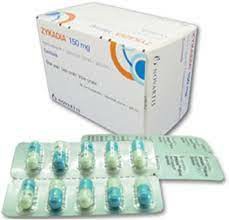
Ceritinib/Ceritinib (Zanda) detailed instructions and precautions for use
1. Basic information about drugs
Ceritinib, also known as ceritinib, is an oral small molecule targeted drug and a second-generation ALK (anaplastic lymphoma kinase) inhibitor. It was developed by Novartis (Novartis) and is mainly used to treat ALK positive non-small cell lung cancer (NSCLC). Compared with the first-generation ALK inhibitor crizotinib, ceritinib can more effectively inhibit ALK kinase activity, while still being effective in some patients with drug-resistant mutations. The drug has been approved for marketing by the US FDA, Europe's EMA and China's NMPA, and has been included in some guideline recommendations.
2. Indications
According to the instructions, the main indications for ceritinib are:
For patients with confirmed ALK positive advanced or metastatic non-small cell lung cancer.
Can be used as first-line treatment (i.e. patients who have not received ALK inhibitor treatment).
It is also suitable for patients who have previously received crizotinib and have disease progression or are intolerant.
Clinical trials have shown that ceritinib has a higher objective response rate (ORR) in patients with ALK-positive lung cancer and can significantly extend progression-free survival (PFS). In addition, the drug also has certain efficacy in patients with central nervous system metastasis (brain metastasis), which is one of its advantages compared with some early ALK inhibitors.
3. Usage and dosage
1.Recommended dose: The recommended dose of ceritinib is once daily, 450mg, taken orally with food.
2.How to take the medicine: It is recommended to take it at the same time every day, preferably after a meal with food, to improve drug absorption and reduce gastrointestinal adverse reactions.
3.Dose adjustment: If serious adverse reactions occur (such as abnormal liver function, prolonged electrocardiogram QT interval, elevated pancreatic enzymes, etc.), the doctor may recommend reducing the dose to 300mg or lower.
4.Handling of missed doses: If you miss a dose and the time before the next dose is less than 12 hours, you should skip the missed dose and do not take twice the dose at one time.
4. Adverse reactions
Adverse reactions of ceritinib are relatively common and are partly related to the dose and administration method. Major side effects include:
1.Gastrointestinal reactions: such as diarrhea, nausea, vomiting, loss of appetite, and abdominal pain. These are the most common adverse reactions.
2. Abnormal liver function: manifested as elevated levels of ALT and AST, which may be accompanied by jaundice in some patients.
3.Metabolic abnormalities: such as high blood sugar and high insulin levels.
4.Heart-related reactions: QT prolongation of the interval and bradycardia.
5.Risk of pancreatitis: Some patients may experience elevated levels of amylase and lipase.
6.Fatigue and weight loss: more common with long-term treatment.
In general, most side effects can be managed through dose adjustment, symptomatic treatment, or brief discontinuation of the drug.
5. Precautions for use
1.Taking time and diet: It must be taken with food and cannot be taken on an empty stomach, otherwise the risk of gastrointestinal side effects will be higher.
2.Drug interactions: Ceritinib is mainly metabolized by CYP3A enzyme, so it should be avoided to be combined with strong CYP3A inhibitors (such as ketoconazole) or inducers (such as rifampicin), otherwise it may lead to abnormal blood concentration.
3.Liver function monitoring: During the initial stage of treatment and during treatment, liver function indicators (ALT, AST, bilirubin) should be monitored regularly.
4.Electrocardiogram monitoring: For patients with underlying cardiac diseases or combined use of drugs that may prolong the QT interval, electrocardiogram monitoring should be performed.
5.Patients with diabetes or hyperglycemia: blood sugar may rise during use. Blood sugar should be monitored regularly and hypoglycemic drugs should be adjusted as needed.
6.Contraindicated during pregnancy and lactation: Ceritinib may be harmful to the fetus. Women of childbearing age should take effective contraceptive measures during the medication and for at least 3 months after stopping the medication. Not recommended for lactating women.
7.Driving and operating machinery: Some patients may experience fatigue or dizziness and need to be cautious in high-risk operations.
6. Clinical significance and summary
Ceritinib, as a second-generationALK targeted drug, provides a new treatment option for patients who are resistant or intolerant to crizotinib. At the same time, its first-line treatment effect has also been clinically verified, becoming one of the important treatment options for ALK-positive non-small cell lung cancer.
However, this drug has many side effects, especially gastrointestinal reactions and liver function abnormalities. Therefore, patients should closely cooperate with their doctors during medication, monitor indicators reasonably, and adjust the dosage if necessary. With the launch of generic drugs, the accessibility of ceritinib is gradually increasing, allowing more patients with ALK-positive lung cancer to benefit.
Ceritinib (Ceritinib) is a second-generation ALK inhibitor, mainly used to treat ALK positive non-small cell lung cancer. The recommended dose is 450 mg once daily with food. The main side effects include gastrointestinal reactions, liver function abnormalities, metabolic disorders and electrocardiogram abnormalities. Patients need to pay attention to diet, drug interactions and regular monitoring during medication to ensure efficacy and safety.
Reference materials:https://www.drugs.com/
[ 免责声明 ] 本页面内容来自公开渠道(如FDA官网、Drugs官网、原研药厂官网等),仅供持有医疗专业资质的人员用于医学药学研究参考,不构成任何治疗建议或药品推荐。所涉药品可能未在中国大陆获批上市,不适用于中国境内销售和使用。如需治疗,请咨询正规医疗机构。本站不提供药品销售或代购服务。


