
.jpeg)
Comparison of the differences between Dacomitinib/Dozerun and Afatinib
Dacomitinib/Dacomitinib (Dacomitinib) and afatinib (Afatinib) are oral epidermal growth factor receptor (EGFR) tyrosine kinase inhibitors (TKIs), which are widely used in the targeted treatment of non-small cell lung cancer (NSCLC). Although both target patients with EGFR mutations, especially the common exon 19 deletion (Del19) and exon 21 L858R point mutation, there are certain differences in molecular structure, mechanism of action and clinical application details.
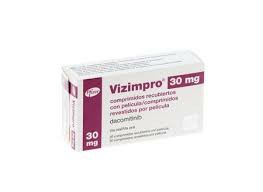
Dacomitinib is a second-generation irreversible EGFR inhibitor that can bind to the ATP-binding site of EGFR to form a covalent bond, thereby permanently inhibiting the receptor's tyrosine kinase activity. Compared with first-generation reversible inhibitors, dacomitinib is more selective for mutant EGFR and can continuously block signaling pathways and reduce the rate of emergence of drug resistance. In clinical practice, this means that when patients are treated with dacomitinib earlier, tumor cell signaling is inhibited for longer, potentially prolonging the disease control period. Dacomitinib is mainly used for patients with advanced EGFR mutation-positive non-small cell lung cancer and can be used as a first-line treatment option.
Afatinib is also a second-generation irreversible EGFR inhibitor, but its scope of action is slightly different. Afatinib not only targets EGFR, but also has inhibitory effects on other receptors of the ErbB family, such as HER2 and HER4. This broad-spectrum inhibitory property enables afatinib to provide more comprehensive signal blocking in some patients, but it may also increase the risk of certain adverse reactions, such as rash, diarrhea, or oral mucosal irritation. Afatinib is also suitable for NSCLC patients with EGFR-sensitive mutations, including Del19 deletion and L858R mutation, and can also be used as a second-line or subsequent treatment option in patients who have failed previous chemotherapy.
In terms of resistance mechanism, neither dacomitinib nor afatinib can overcome the resistance problem caused by the secondary EGFR T790M mutation. Therefore, when this mutation occurs, clinical replacement treatment with third-generation EGFR inhibitors such as Osimertinib usually needs to be considered. On the other hand, due to the differences in molecular targets and inhibitory breadth between the two, dacomitinib may show a more durable inhibitory effect in the context of specific EGFR mutations, while afatinib has advantages in multi-target inhibition.
In terms of drug tolerance and management, dacomitinib is more selective, and the adverse reactions of some patients are relatively controllable, but typical symptoms such as rash, diarrhea and stomatitis may still occurSide effects associated with EGFR inhibitors. Afatinib has a slightly higher incidence of side effects due to its wider inhibitory range, but through dose adjustment and symptom management, most patients can safely complete the course of treatment. In addition, both dacomitinib and afatinib are oral preparations, which are convenient for long-term maintenance treatment and have good patient compliance. However, they still need to strictly follow the doctor's instructions and avoid adjusting the dosage or discontinuing the medication on their own to ensure the therapeutic effect.
Reference materials:https://www.pfizer.com/products/product-detail/vizimpro
[ 免责声明 ] 本页面内容来自公开渠道(如FDA官网、Drugs官网、原研药厂官网等),仅供持有医疗专业资质的人员用于医学药学研究参考,不构成任何治疗建议或药品推荐。所涉药品可能未在中国大陆获批上市,不适用于中国境内销售和使用。如需治疗,请咨询正规医疗机构。本站不提供药品销售或代购服务。


