
.jpeg)
Can enasidenib cure leukemia?
Enasidenib is a targeted drug targeting IDH2 gene mutations and is approved for the treatment of adult patients with relapsed or refractory acute myeloid leukemia (AML). As a new generation of small molecule inhibitors, it acts on the metabolic processes of leukemia cells, blocking abnormal enzyme activity and helping malignant cells redifferentiate into normal-functioning blood cells. Because of its unique mechanism, many patients and their families want to know a key question: whether ensidipine can truly cure leukemia.
Based on current clinical and real-world experience, ensidipine cannot be considered a “curative” drug. Leukemia is a highly complex hematological malignant tumor, and its occurrence is often accompanied by multiple gene mutations, molecular pathway abnormalities, and bone marrow microenvironment disorders. Even in treatments targeting IDH2 mutations, some patients can achieve significant remission and gradually recover hematological indicators, but this remission usually belongs to "disease control" or "maintenance treatment" rather than the complete elimination of all disease cells. In other words, the role of ensidipine in the management of AML is closer to prolonging the remission period and improving the quality of life, rather than a direct "complete cure."
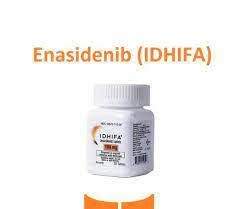
It is worth noting that the therapeutic advantage of ensidipine is that it can help patients achieve long-term disease stabilization, which is particularly important in relapsed or refractory AML. Traditional chemotherapy often causes severe bone marrow suppression and is difficult for patients to tolerate. As an oral drug, ensidipine is not only more convenient in application, but also avoids some of the burdens caused by high-intensity treatment. This means that for some patients, ensidipine may become a long-term "companion medication" to help the disease enter a chronic and controllable stage.
However,the heterogeneity of AML determines that the efficacy of ensidipine will vary from person to person. Some patients can achieve sustained remission after using drugs and even achieve long disease-free survival during follow-up, while other patients may develop drug resistance or disease progression in the short term. This difference is closely related to mutational load, bone marrow environment, and combined treatment strategies. Some scholars are currently exploring combining ensidipine with other drugs, such as hypomethylating drugs or immunotherapy, in order to improve the overall response rate and delay the occurrence of drug resistance.
Understanding from a medical perspective "Radical cure" requires caution. Leukemia, especially AML, often retains a small number of hidden abnormal cells after superficial remission, which is the so-called "minimal residual disease". These residual lesions may lead to relapse at any time. Therefore, clinical practice is more inclined to position ensidipine as a drug for "long-term control and delaying relapse" rather than relying solely on it to completely cure leukemia. For patients pursuing a cure, allogeneic hematopoietic stem cell transplantation is still considered a possible means to achieve long-term disease-free survival, and ensidipine can be used as a bridging treatment or a part of adjuvant treatment.
With the continuous progress in the development of targeted drugs, scientists are also conducting in-depth research on IDH2 inhibitors. In the future, combined with more accurate molecular typing, doctors will be able to identify patient groups suitable for ensidipine earlier. At the same time, combined with immunotherapy and stem cell transplantation, the hope of "cure" may be closer to reality.
Reference materials:https://www.idhifa.com/
[ 免责声明 ] 本页面内容来自公开渠道(如FDA官网、Drugs官网、原研药厂官网等),仅供持有医疗专业资质的人员用于医学药学研究参考,不构成任何治疗建议或药品推荐。所涉药品可能未在中国大陆获批上市,不适用于中国境内销售和使用。如需治疗,请咨询正规医疗机构。本站不提供药品销售或代购服务。


