
.jpeg)
The main functions and common side effects of Dacomitinib/Dozerun
Dacomitinib/Dacomitinib (Dacomitinib) is a second-generation irreversible EGFR tyrosine kinase inhibitor, mainly used to treat epidermal growth factor receptor (EGFR) mutation-positive non-small cell lung cancer (NSCLC). Its core function is to inhibit the signaling of mutant receptors by irreversibly binding to the ATP binding site of EGFR, blocking cancer cell proliferation and angiogenesis, thereby delaying tumor growth and spread. This irreversible inhibitory mechanism allows dacomitinib to show good sustained inhibitory effects on patients with common exon 19 deletions (Del19) and exon 21 L858R point mutations. Compared with first-generation reversible inhibitors, dacomitinib has potential advantages in delaying the occurrence of drug resistance and can provide patients with a relatively durable disease control period.
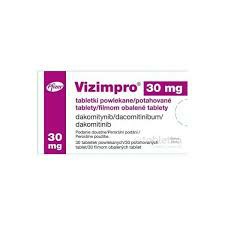
In clinical application, dacomitinib, as a first-line targeted therapy, can improve patients' tumor control rate and quality of life. Since its oral form facilitates long-term maintenance treatment, patients can complete the treatment course relatively conveniently in their daily lives. Before drug use, molecular testing is usually required to confirm the EGFR mutation type to ensure the accuracy and effectiveness of treatment.
Common side effects of dacomitinib are mainly related toEGFR inhibition, including rash, diarrhea, stomatitis, nail changes and mild fatigue. The rash usually appears on the face, chest, or upper extremities and is a predictable reaction to medications that can be relieved with topical treatments or topical medications. Diarrhea may affect some patients' daily diet and life, but it can usually be controlled with oral rehydration, dietary modification, and symptom management. Stomatitis, dry mouth, and nail changes also need attention to avoid affecting patient compliance and quality of life. In addition, some patients may experience mild elevation of liver function indicators or abnormalities in blood indicators, which require regular monitoring during treatment.
Overall, most side effects can be managed through dose adjustment, supportive care, and regular follow-up, allowing patients to safely complete the course of treatment and obtain maximum treatment benefit.
Reference materials:https://www.pfizer.com/products/product-detail/vizimpro
[ 免责声明 ] 本页面内容来自公开渠道(如FDA官网、Drugs官网、原研药厂官网等),仅供持有医疗专业资质的人员用于医学药学研究参考,不构成任何治疗建议或药品推荐。所涉药品可能未在中国大陆获批上市,不适用于中国境内销售和使用。如需治疗,请咨询正规医疗机构。本站不提供药品销售或代购服务。


