
.jpeg)
Comparison of the differences between clofazimine/sempra and linezolid
Clofazimine (Clofazimine) and linezolid (Linezolid) are both important drugs in the treatment of infectious diseases, but they have significant differences in drug categories, mechanisms of action, indications, clinical application value and side effect characteristics. When faced with treatment options, many patients wonder what are the main differences between the two drugs and whether they can be substituted for each other. In fact, clofazimine and linezolid belong to completely different drug systems, and their scope of indications, targets of action and clinical positioning are different.
From the perspective of drug category, clofazimine is an anti-leprosy drug belonging to the phenazine class and was originally developed to treat leprosy. Due to its special antibacterial mechanism, it is also gradually used in the combined treatment of drug-resistant tuberculosis. Linezolid is an oxazolidinone antibiotic. It is a relatively new synthetic antibacterial drug that mainly targets Gram-positive bacteria, including methicillin-resistant Staphylococcus aureus (MRSA), drug-resistant streptococci and some multidrug-resistant Mycobacterium tuberculosis. The chemical structures and drug classifications of the two are completely different, which also determines their application differences.
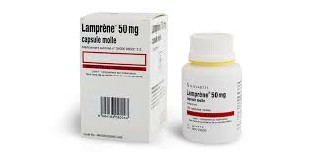
In terms of its mechanism of action, clofazimine interferes with bacterial replication by binding to bacterialDNA. It can also affect cell membrane function and generate reactive oxygen species, thereby inhibiting the growth of pathogens. It is characterized by a relatively slow action, so it is often used in combination with other drugs to reduce the risk of drug resistance. The mechanism of linezolid is more targeted. It inhibits the 50S subunit of bacterial ribosomes and blocks protein synthesis to achieve rapid antibacterial effects. This difference makes linezolid more advantageous in the treatment of acute infections, while clofazimine is more suitable for the management of long-term chronic diseases.
From the comparison of indications, the core application of clofazimine is in the combined treatment of leprosy, as well as in the research application of some drug-resistant tuberculosis and some inflammatory diseases. Linezolid is widely used in combination regimens for severe drug-resistant bacterial infections, including pneumonia, sepsis, skin and soft tissue infections, and multidrug-resistant tuberculosis. It can be seen that linezolid has a wider scope of application and has an irreplaceable position especially in the field of acute critical infections, while clofazimine is more targeted at the long-term management of specific chronic pathogens.
In terms of side effects, the most typical adverse reaction of clofazimine is skin darkening or pigmentation, which is caused by the deposition of the drug in the skin and fatty tissue. Although this change does not affect organ function, it often causes greater psychological pressure on patients. The adverse reactions of linezolid mainly involve bone marrow suppression, such as anemia, thrombocytopenia, etc. Long-term use may also cause peripheral neuropathy and lactic acidosis. This means that long-term use of linezolid requires close monitoring of blood levels, while clofazimine requires attention to changes in the patient's skin appearance and gastrointestinal tolerance.
In terms of price and accessibility, clofazimine has a relatively low price due to its long history, and it is available for free or at low cost through international public welfare projects in some areas. As a new antibiotic, especially the original drug, linezolid has a high cost. Although some countries have launched generic drugs in recent years and the price has dropped, the overall burden is still greater than that of clofazimine.
Reference materials:https://www.novartis.com/our-products/pipeline/clofazimine
[ 免责声明 ] 本页面内容来自公开渠道(如FDA官网、Drugs官网、原研药厂官网等),仅供持有医疗专业资质的人员用于医学药学研究参考,不构成任何治疗建议或药品推荐。所涉药品可能未在中国大陆获批上市,不适用于中国境内销售和使用。如需治疗,请咨询正规医疗机构。本站不提供药品销售或代购服务。


