
.jpeg)
Enzalutamide/Enzalutamide (Anchortan) Detailed Medication Guide
1. Basic information
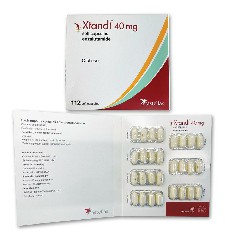
Enzalutamide ( Enzalutamide), commonly known as Xtandi and Enzalutamide, is also called "enzalutamide" in domestic and foreign literature. It is an oral small molecule androgen receptor inhibitor mainly used in the systemic treatment of prostate cancer. Common strengths of the drug include 40mg capsules and 40mg and 80mg tablets.
2. Scope of indications
The clinical use of enzalutamide covers different stages of prostate cancer:
1. Castration-resistant prostate cancer (CRPC): refers to a situation where the tumor continues to progress even after androgen levels are suppressed to castration levels.
2. Metastatic castration-sensitive prostate cancer (mCSPC): The patient is still sensitive to androgen suppression, but has developed distant metastases.
3. High-risk biochemical recurrence of non-metastatic castration-sensitive prostate cancer (nmCSPC, high-risk BCR): a group of patients with rapidly rising PSA and high risk of recurrence, but no evidence of metastasis on imaging.
3. Usage and dosage
1. Recommended dosage: Take once a day, 160 mg orally, with or without food. Swallow the tablet whole and do not break or chew it.
2. Combination medication: Patients receiving treatment for CRPC or mCSPC usually still need to cooperate with GnRH analogues, or achieve androgen suppression through surgical castration. Some high-risk BCR patients may choose to take enzalutamide alone.
3. Discontinuation and resumption strategy: If PSA cannot be detected after 36 weeks of treatment, administration can be suspended; if PSA levels subsequently increase again, treatment needs to be restarted.
4. Dose adjustment: If adverse reactions occur≥Grade 3 or are obviously intolerable, it is recommended to discontinue the drug until the symptoms are relieved, and then continue at the original dose or a reduced dose (120 mg or 80 mg).
4. Common adverse reactions
Adverse reactions of enzalutamide involve multiple systems:
1. High incidence symptoms: musculoskeletal pain, fatigue, hot flashes, gastrointestinal reactions (constipation, loss of appetite, diarrhea), high blood pressure, increased risk of falls and fractures.
2.Rare but serious reactions: allergic edema, severe skin reactions (such as SJS, TEN, DRESS), posterior reversible encephalopathy syndrome (PRES), abnormal taste, etc.
3. Medication monitoring: Clinical attention needs to be paid to blood pressure, bone health, and neurological manifestations. If rash or neurological abnormalities occur, medication should be discontinued in time.
5. Storage and supply
Drugs should be stored in a dry environment between 20°C and 25°C, away from direct sunlight and moisture; short-term fluctuations in the range of 15°C to 30°C are allowed. The packaging must be kept airtight to prevent children from accidentally eating it.
6. Precautions for special groups of people
1. Fertility risks for male patients: Animal studies have shown that the drug may affect sperm activity, so men of childbearing age should take effective contraceptive measures during the medication and within three months after stopping the medication.
2. Elderly people: Prostate cancer is more common in elderly patients, and basic cardiovascular and skeletal diseases need to be comprehensively evaluated.
3. Patients with liver and kidney function impairment: In cases of severe liver injury or renal insufficiency, medication should be used with caution and the dose adjusted if necessary.
7. Analysis of mechanism of action
Enzalutamide belongs to a new generation of androgen receptor inhibitors (AR inhibitor), which are characterized by blocking androgen signals in multiple stages: preventing androgens from binding to receptors; inhibiting receptors from entering the nucleus; and interfering with the interaction between receptors and DNA.
In addition, its main metabolite N-desmethylenzalutamide also has similar activity to the original drug. Through the above mechanism, the drug can significantly inhibit the growth and proliferation of prostate cancer cells, and has shown the effect of reducing tumor volume in animal experiments.
Reference materials:https://www.xtandi.com/
[ 免责声明 ] 本页面内容来自公开渠道(如FDA官网、Drugs官网、原研药厂官网等),仅供持有医疗专业资质的人员用于医学药学研究参考,不构成任何治疗建议或药品推荐。所涉药品可能未在中国大陆获批上市,不适用于中国境内销售和使用。如需治疗,请咨询正规医疗机构。本站不提供药品销售或代购服务。


