
.jpeg)
Comparison of the differences and efficacy between Epclusa and Epclusa
1. Drug background and development history
Hepatitis C (HCV) is a viral disease characterized by chronic progressive liver damage. Without effective treatment for a long time, it can develop into cirrhosis or even liver cancer. With the emergence of direct antiviral drugs (DAA), the treatment of hepatitis C has entered a new era of "high cure rate, short treatment course, and good tolerance". Gilead has successively launched the third generation of Gilead (Epclusa, sofosbuvir/velpatasvir, SOF/VEL) and The fourth generation of Vosevi (Vosevi, sofosbuvir/velpatasvir/vosilaprevir, SOF/VEL/VOX) has its own position in the treatment of different groups of people.
2. Differences in ingredient composition and mechanism of action
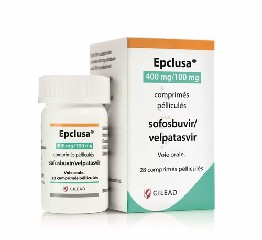
The third generation of Epclusa (Epclusa): consists of sofosbuvir (NS5B polymerase inhibitor) and velpatasvir (NS5A inhibitor). Sofosbuvir blocks virus replication by inhibiting HCV RNA polymerase; velpatasvir interferes with virus assembly and replication by inhibiting NS5A protein. The combination of the two enables treatment to cover all 6 major HCV genotypes, so it is called a "pan-genotypic regimen."
Vosevi (Vosevi): Based on the third generation of Vosevi, Vosevi (NS3/4Aprotease inhibitor) is added. The triple inhibition mechanism further strengthens the interference with the virus replication chain. Especially for patients who have failed to use DAA in the past, the addition of worsilaprevir can cover more resistance-related mutations and improve the cure rate.
3. Differences in indications and clinical positioning
Jisandai: Mainly used for initially treated patients or patients who have not received NS5A drugs in the past. It is suitable for most genotypes, and the standard treatment course is once a day for 12 weeks. It is also suitable for patients with compensated cirrhosis.
The fourth generation of Ji: The clinical positioning is more "precise", mainly used for patients who have previously receivedPatients who have failed NS5A or NS5B-like DAA treatment. In this group of people, the efficacy of using GIS3 alone will decrease, so GIS4 is needed as a rescue solution.
4. Efficacy comparison and real-world data
Efficacy in treatment-naïve patients: Jisandai has shown in multiple clinical trials ≥95% sustained virological response rate (SVR12). Real-world clinical data also confirms that regardless of the genotype 1–6, Jisandai can almost achieve stable and highly consistent efficacy.
Efficacy of re-treated patients: For those who have failed DAA treatment, the efficacy of GIS will be significantly reduced. At this time, the advantages of the fourth generation of Ji are highlighted. Studies have shown that the fourth generation of GIS can still maintain a cure rate of ≥95% in this type of patients, which is significantly better than the simple SOF/VEL regimen.
Resistance situation: The third generation of GIS has almost no significant drug resistance problem in untreated people, but re-treated patients will encounter NS5A resistance-related mutations; the addition of vosilaprevir in the fourth generation of GIS can effectively cover some resistance mutations, thus improving the success rate.
5. Comparison of safety and tolerance
What they have in common: Both are well tolerated. Common adverse reactions are headache, fatigue, and mild nausea. The incidence is low and usually does not affect the completion of treatment.
Points of difference: The fourth generation of GYR contains protease inhibitors (VOX), so it is contraindicated or caution should be used in patients with liver dysfunction (especially decompensated cirrhosis). Jisandai is safer in patients with liver damage and has a wider clinical application range.
6. Differences in usage, dosage and course of treatment
Jisandai: The standard usage is to take a single tablet orally once a day, and the treatment course is 12 weeks. Some special patients (such as those with decompensated cirrhosis) may need to be combined with ribavirin.
Ji Si Dai: It is also a single tablet taken orally once a day, and the treatment course is usually 12 weeks. However, since most patients are re-treated, clinicians will comprehensively judge whether additional adjustments are needed based on drug resistance, previous treatment history and other factors.
7. Cost and accessibility considerations
Globally, because Geniside III was launched earlier, generic drugs have become more popular, prices have gradually dropped, and patients are more accessible; Geniside IV has been launched late and is clinically positioned as a rescue solution, so its generic drug coverage is relatively limited and the overall price is still high. Therefore, most patients still prefer Geniside III in the initial treatment stage.
8. Selection logic in clinical practice
First treatment, genotype has been determined or not determined → Epclusa is the first choice (Epclusa), which has a short course of treatment and stable efficacy.
Previously used DAA failed → Give priority to the fourth generation of Vosevi (Vosevi), which covers drug-resistant mutations and has a high cure rate.
Patients with hepatic insufficiency → are more suitable for the third generation of Gexin, because the fourth generation of GeniVOX may increase the risk of hepatotoxicity.
The third and fourth generations of Jisi are both important milestones in the treatment of hepatitis C. With its pan-genotypic, high cure rate and good tolerability, the third generation of Gexin has become the first-line drug for most initially treated patients; while the fourth generation of Gexin has filled the treatment gap for re-treated patients and provided new hope for those patients who have failed treatment. From the perspective of efficacy, both can achieve ≥95%SVR in their respective adapted populations, which is an important weapon to achieve the goal of "curable" hepatitis C. When making selections, clinicians should consider factors such as the patient's genotype, previous treatment history, drug resistance, liver function status, and economic accessibility to formulate an individualized treatment plan to maximize the cure rate and reduce the risk of recurrence.
Reference materials:https://www.drugs.com/
[ 免责声明 ] 本页面内容来自公开渠道(如FDA官网、Drugs官网、原研药厂官网等),仅供持有医疗专业资质的人员用于医学药学研究参考,不构成任何治疗建议或药品推荐。所涉药品可能未在中国大陆获批上市,不适用于中国境内销售和使用。如需治疗,请咨询正规医疗机构。本站不提供药品销售或代购服务。


