
.jpeg)
Axitinib (Inlida) standard usage and dosage and dosage adjustment reference for different patients
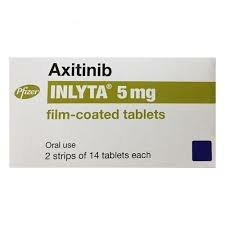
Axitinib (Axitinib, trade name: Inlyta) is an oral small molecule tyrosine kinase inhibitor (TKI), mainly used to treat advanced renal cell carcinoma (RCC). The recommended starting dose is usually 5mg twice a day, about 12 hours apart, and the tablet needs to be swallowed whole with water. Medication can be taken before or after meals, regardless of eating. In order to ensure the efficacy, it is recommended that patients take the medicine at a fixed time every day to keep the drug concentration in the body stable.
If the patient tolerates it well during continuous treatment (that is, no obvious adverse reactions occur, and blood pressure and other indicators are well controlled), the doctor can gradually increase the dose based on efficacy and tolerance. A common upward adjustment method is each increase of 2mg twice a day, up to a maximum dose of 10mg twice a day. Dose adjustments usually require an interval of at least 2 weeks to allow assessment of patient tolerance and therapeutic response to the drug.
For patients with severe adverse reactions (such as uncontrolled hypertension, bleeding, proteinuria, thyroid dysfunction, etc.), doctors may recommend to lower the dose to 3mg or 2mg twice a day. At the same time, patients with hepatic insufficiency usually need to use it with caution or adjust the dose; patients with mild liver damage can maintain the regular dose, but patients with moderate liver damage need to reduce the dose, and use with severe liver damage is generally not recommended. No dose adjustment is required in patients with mild to moderate impairment of renal function, but severe renal impairment requires careful evaluation.
During axitinib treatment, patients should regularly monitor blood pressure, liver and kidney function, and thyroid function, and make dose adjustments if necessary. If significant side effects occur during medication, such as persistent high blood pressure, severe bleeding, blood clots, or obvious fatigue, you should report to your doctor in time. Axitinib may interact with some drugs (such as CYP3A4strong inhibitors or inducers), so patients should truthfully inform their doctors about all the drugs they are taking before taking the drug. For elderly patients, those with weak constitutions, or those with underlying diseases, individualized dosage plans should be formulated more carefully under the guidance of a doctor.
Reference materials:https://www.drugs.com/
[ 免责声明 ] 本页面内容来自公开渠道(如FDA官网、Drugs官网、原研药厂官网等),仅供持有医疗专业资质的人员用于医学药学研究参考,不构成任何治疗建议或药品推荐。所涉药品可能未在中国大陆获批上市,不适用于中国境内销售和使用。如需治疗,请咨询正规医疗机构。本站不提供药品销售或代购服务。


