
.jpeg)
Standard dosage and usage of imatinib (Gleevec) and suggestions for individualized adjustments
1. Overview of imatinib
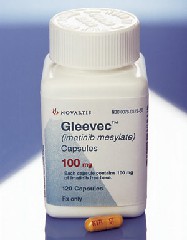
Imatinib (Imatinib, trade name: Gleevec) is an oral small molecule tyrosine kinase inhibitor that mainly targets BCR-AB Lfusion protein simultaneously inhibits the activities of tyrosine kinases such as c-KIT and PDGFR. It is widely used in the treatment of chronic myelogenous leukemia (CML), gastrointestinal stromal tumors (GIST) and certain other specific cancers. By inhibiting abnormal tyrosine kinase signaling pathways, imatinib can effectively inhibit tumor cell proliferation and promote apoptosis, thereby improving patient survival rate and quality of life.
2. Standard dosage and administration method
Imatinib is taken orally, usually in capsule or tablet form. The recommended standard dosage varies according to different indications:
1.Chronic myelogenous leukemia (CML)
Chronic phaseCML: daily400mg, taken orally once or in two divided doses.
Accelerated phase or blast phaseCML: Daily600mg, which can be taken in divided doses to improve tolerance.
2.Gastrointestinal stromal tumor (GIST)
Adjuvant therapy after complete resection or unresectable/MetastaticGIST: Daily400mg, taken orally once or in two divided doses.
If there is a high risk of recurrence or disease progression, the dose can be increased to 600mg or 800mg per day, but this must be done under the guidance of a doctor.
Medication recommendations: Imatinib should be taken orally after meals to reduce gastrointestinal discomfort; swallow the tablet whole and do not chew or crush it. Try to take the medicine at a fixed time every day to keep the blood drug concentration stable. If you miss a dose, you should take it as soon as possible. However, if it is less than 6 hours before the next dose, skip this time and continue as planned.
3. Basis for individualized dose adjustment
In clinical practice, imatinib needs to be individually adjusted based on the patient's weight, liver and kidney function, hematological indicators and tolerance:
1.Tolerability and adverse reactions
Mild to moderate adverse reactions (such as mild edema, rash, muscle soreness) usually do not require dose adjustment and can be alleviated by symptomatic treatment.
Serious adverse reactions (such as severe edema, abnormal liver function, significant decrease in platelets) require temporary dose reduction or short-term discontinuation, and the original dose will be gradually restored after symptoms are relieved.
2.Abnormal liver and kidney function
Patients with moderate liver function impairment: Regular dosage can be maintained, but liver function needs to be closely monitored; patients with severe impairment need to reduce the dosage or use with caution.
Patients with renal insufficiency: Mild patients can take it at the regular dose; patients with moderate to severe renal impairment should adjust the dose and monitor blood concentration under the guidance of a doctor.
3.Elderly patients and people taking combined medications
Elderly patients, those with frail constitution or those with long-term complications from other diseases may be more susceptible to adverse reactions and should start with a low dose and gradually increase to the standard dose.
If you use CYP3A4 inhibitors or inducers (such as ketoconazole, rifampin) at the same time, the dosage needs to be adjusted appropriately to avoid drug interactions.
4. Blood drug concentration monitoring and efficacy evaluation
In order to ensure the therapeutic effect and safety, patients should undergo regular hematology monitoring while taking imatinib, including blood routine, liver and kidney function and necessary blood drug concentration testing. For CML patients, regular PCR detection of BCR-ABL copy number is also required to assess molecular response. According to the efficacy and side effects, the dosage can be flexibly adjusted or combined with other treatments.
5. Long-term medication and life management
Imatinib often needs to be taken for a long time or even lifelong, so patients should pay attention to the following in daily life:
Take medicine regularly: Take it at a fixed time every day as directed by your doctor. Do not stop taking medicine or change the dosage on your own.
Diet and lifestyle habits: Taking the drug with meals can reduce gastrointestinal discomfort; avoid ingesting large amounts of grapefruit and its products at the same time to avoid affecting drug metabolism.
Side effect management: Common side effects include edema, rash, muscle spasm, fatigue, etc., which can be alleviated through symptomatic treatment or dose adjustment. If serious adverse reactions occur, seek medical attention immediately.
Imatinib is the first-choice targeted drug for diseases such as CML and GIST. It has significant efficacy, but it needs to be used strictly in accordance with standard doses and individualized regimens. Through hematology and molecular monitoring, combined with the patient's constitution, liver and kidney function and tolerance, doctors can develop a personalized adjustment plan to ensure the safety and effectiveness of long-term treatment. At the same time, patients should adhere to a healthy lifestyle and regular review to optimize treatment effects and reduce adverse reactions.
Reference materials:https://www.drugs.com/
[ 免责声明 ] 本页面内容来自公开渠道(如FDA官网、Drugs官网、原研药厂官网等),仅供持有医疗专业资质的人员用于医学药学研究参考,不构成任何治疗建议或药品推荐。所涉药品可能未在中国大陆获批上市,不适用于中国境内销售和使用。如需治疗,请咨询正规医疗机构。本站不提供药品销售或代购服务。


