
.jpeg)
The pharmacological effects and main effects of clofazimine/sempra
Clofazimine (Clofazimine) is an antibacterial drug that has been used clinically for a long time but is still important. It was originally developed to fight tuberculosis, but subsequent studies found that it has a unique inhibitory effect on Mycobacterium leprae, so it has become one of the core drugs in the leprosy treatment plan. From a pharmacological point of view, clofazimine is a phenazine dye derivative. Its molecular structure can bind to bacterial cell membranes, change the permeability of the membrane, and interact with bacterial DNA to block its replication and transcription processes. This dual mechanism of action allows it to not only directly kill the pathogen, but also interfere with the inflammatory response, thereby improving the skin damage and neurological symptoms caused by leprosy.
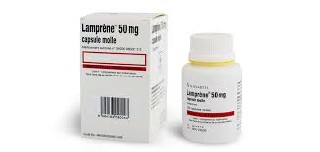
In terms of specific efficacy, the most important value of clofazimine is reflected in the combination treatment program for leprosy. Together with rifampicin and dapsone, it constitutes the multi-drug combination therapy recommended by the World Health Organization. Not only does it reduce bacterial load, it also significantly reduces the risk of resistance. In addition, clofazimine also has certain anti-inflammatory properties, which can alleviate the erythematous and nodular skin lesions that occur in some patients during the leprosy reaction period and improve the discomfort caused by inflammation. In recent years, with the increase in cases of multidrug-resistant tuberculosis and non-tuberculous mycobacterial infections, clofazimine has received renewed attention in the treatment of partially drug-resistant tuberculosis. Although it is not the first choice, its pharmacological properties still provide a valuable treatment option in special populations and drug-resistant situations.
The effect of clofazimine is not limited to the antibacterial itself, but it also has unique advantages in improving skin performance. Some patients will experience skin pigmentation due to the accumulation of the drug in skin tissue, but this property also gives it a long-term effect in suppressing skin lesions.
ReferenceInformation:https://www.novartis.com/our-products/pipeline/clofazimine
[ 免责声明 ] 本页面内容来自公开渠道(如FDA官网、Drugs官网、原研药厂官网等),仅供持有医疗专业资质的人员用于医学药学研究参考,不构成任何治疗建议或药品推荐。所涉药品可能未在中国大陆获批上市,不适用于中国境内销售和使用。如需治疗,请咨询正规医疗机构。本站不提供药品销售或代购服务。


