
.jpeg)
Guidelines for coadministration of clofazimine/semprol and cycloserine
The combined use of clofazimine (Clofazimine) and cycloserine (Cycloserine) mainly appears in the treatment of tuberculosis, especially multi-drug-resistant tuberculosis (MDR-TB). There are obvious differences in the pharmacological mechanisms of action of the two. Clofazimine inhibits bacterial growth by destroying bacterial membrane structure and interfering with DNA replication, while cycloserine is an anti-tuberculosis drug with a structure similar to amino acids. It can interfere with the cell wall synthesis process, thereby preventing the reproduction of mycobacteria. Precisely because of their different targets, the two have a synergistic effect when used together, which can improve the success rate of treatment and delay the occurrence of drug resistance.
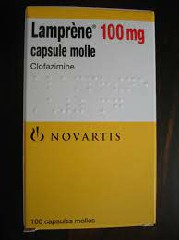
Clinically, the World Health Organization and some international tuberculosis prevention and treatment guidelines recommend clofazimine and cycloserine as components of drug-resistant tuberculosis regimens. Especially when conventional first-line drugs are ineffective, combination therapy brings new hope to patients. Clofazimine and cycloserine are often considered second-line drugs when combined with other drugs, but they have irreplaceable value in different stages of treatment.
When using these two drugs, physicians pay special attention to patient tolerability and management of adverse effects. Clofazimine may cause skin pigmentation and gastrointestinal reactions, while cycloserine has been associated with central nervous system side effects such as anxiety, depression and even epileptic tendencies. Therefore, when formulating a treatment plan, it is necessary to comprehensively evaluate the patient's basic condition and potential risks, and if necessary, supplement with auxiliary treatments such as vitamin B6 to reduce neurotoxicity.
Overall, the combined use of clofazimine and cycloserine is not a random patchwork, but is based on evidence-based evidence from international prevention and treatment guidelines and clinical studies. It embodies the important principle of multi-drug combination therapy in drug-resistant tuberculosis and complicated infections, that is, reducing the possibility of bacterial escape through multi-target attack.
Reference materials:https://www.novartis.com/our-products/pipeline/clofazimine
[ 免责声明 ] 本页面内容来自公开渠道(如FDA官网、Drugs官网、原研药厂官网等),仅供持有医疗专业资质的人员用于医学药学研究参考,不构成任何治疗建议或药品推荐。所涉药品可能未在中国大陆获批上市,不适用于中国境内销售和使用。如需治疗,请咨询正规医疗机构。本站不提供药品销售或代购服务。


