
.jpeg)
Introduction to the main functions of axitinib (Inlida) and analysis of its indications for treating cancer
Axitinib (Axitinib) is an oral small molecule tyrosine kinase inhibitor (TKI). Its main targets include vascular endothelial growth factor receptor (VEGFR) 1, 2, 3, by inhibiting angiogenesis signaling pathways, blocking tumor neovascularization, reducing tumor nutrient supply, thereby inhibiting tumor cell proliferation and metastasis. Axitinib is highly selective and targeted, and its anti-angiogenesis ability is stronger than that of early multi-target TKIs. Therefore, it is widely used in the clinical treatment of advanced solid tumors.
Axitinib is most widely used in clear cell renal cell carcinoma (RCC). Tumor cells in advanced renal cell carcinoma rely on the VEGF pathway to drive angiogenesis. Axitinib inhibits angiogenesis by targeting VEGFR, which not only delays tumor growth, but also improves patients' symptoms and quality of life. Clinical studies have shown that axitinib as second-line treatment can significantly prolong progression-free survival (PFS ) and overall survival (OS), providing important treatment options for patients with advanced RCC.
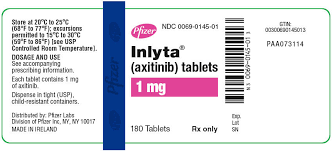
In addition to renal cell carcinoma, axitinib has also shown certain efficacy in papillary thyroid carcinoma (PTC) and other advanced solid tumors. Some patients with refractory papillary thyroid cancer rely on angiogenesis mediated by VEGFR to maintain tumor growth. The use of axitinib can inhibit tumor angiogenesis, reduce tumor burden, and improve patients' quality of life. In addition, some clinical trials have also explored the application of axitinib in lung cancer, colorectal cancer and gastrointestinal stromal tumors (GIST), especially in angiogenesis-driven tumor types, where axitinib can be used as a single agent or combination therapy.
The indications for axitinib mainly include patients with advanced or metastatic clear cell renal cell carcinoma, especially those whose disease has progressed after prior anti-angiogenic therapy. For indications of other solid tumors, individualized plans need to be developed based on clinical trials and physician evaluation. Before use, patients should receive a comprehensive assessment, including liver and kidney function, cardiovascular status, and blood pressure management, because common side effects of axitinib include hypertension, proteinuria, fatigue, and hand-foot syndrome. Through reasonable monitoring and dose adjustment, the risk of adverse reactions can be reduced and drug tolerance improved.
In general, axitinib blocks tumor angiogenesis and inhibits tumor growth and metastasis by highly selectively inhibiting the VEGFR pathway. It has significant efficacy in the treatment of clear cell renal cell carcinoma and shows potential in some other solid tumors. Its indications are mainly targeted at patients with VEGF-driven tumors, especially those who are resistant or progressing to first-line treatment. Rational drug use, monitoring of side effects and individualized dose adjustment are the keys to ensuring the safety and effectiveness of axitinib. In the future, with the advancement of more clinical studies, axitinib is expected to play a role in more cancer types and provide a wider range of treatment options for tumor patients.
Reference materials:https://www.drugs.com/
[ 免责声明 ] 本页面内容来自公开渠道(如FDA官网、Drugs官网、原研药厂官网等),仅供持有医疗专业资质的人员用于医学药学研究参考,不构成任何治疗建议或药品推荐。所涉药品可能未在中国大陆获批上市,不适用于中国境内销售和使用。如需治疗,请咨询正规医疗机构。本站不提供药品销售或代购服务。


