
.jpeg)
Detailed analysis of the efficacy and side effects of Ceritinib and patient feedback
Ceritinib (Ceritinib, also known as ceritinib) is an oral small molecule ALK (anaplastic lymphoma kinase) inhibitor, mainly used For the treatment of **ALKpositive advanced non-small cell lung cancer (NSCLC) ** patients. ALKgene rearrangement is a driver mutation of NSCLC, which can trigger abnormal proliferation and malignant growth of tumor cells. Ceritinib selectively inhibits ALK tyrosine kinase activity and blocks downstream signaling pathways, including PI3K-AKT, RAS-MAPK and JAK-STAT, thereby inhibiting tumor cell proliferation and inducing apoptosis. This mechanism makes it a first- or second-line treatment for ALK positive lung cancer, especially for patients who are resistant or intolerant to crizotinib (Crizotinib).
Clinical trials have shown that ceritinib has significant efficacy in patients with ALK-positive advanced NSCLC. In a global multi-center clinical study, ceritinib demonstrated an overall response rate (ORR) of more than 40% in crizotinib-resistant patients, and some patients achieved partial or complete tumor shrinkage. In addition, ceritinib has also shown certain efficacy in patients with brain metastases, mainly due to its good blood-brain barrier permeability, which allows the drug to enter the central nervous system to exert anti-tumor effects. This provides a more comprehensive treatment option for patients with advanced lung cancer, especially those with brain metastases.
In terms of side effects, ceritinib is generally well tolerated, but there are still certain drug-related adverse reactions. The most common side effects include gastrointestinal reactions (such as nausea, vomiting, diarrhea, abdominal pain), abnormal liver function (elevated ALT, AST), decreased appetite and fatigue. Some patients may develop pulmonary toxicity or prolonged QT interval and require regular monitoring of electrocardiogram and liver and kidney function. In order to reduce the occurrence of side effects, patients should adjust the dose or take it in divided doses under the guidance of a doctor. At the same time, pay attention to a light diet and avoid taking medication on an empty stomach to reduce the risk of gastrointestinal discomfort.
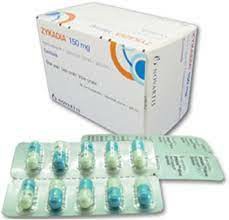
Actual feedback from patients shows that ceritinib has clear advantages in controlling disease progression. Most patients experience improvement in symptoms within weeks of starting treatment, such as reduced dyspnea, fatigue, and improved quality of life. However, some patients report that they may experience mild to moderate nausea, diarrhea, or loss of appetite in the early stages, but these adverse reactions can usually be alleviated by adjusting the medication time, taking it in divided doses, and controlling auxiliary medications. In addition, some patients emphasized the importance of regular follow-up and blood monitoring for early detection of liver function abnormalities or heart-related risks. Overall, ceritinib provides an effective targeted treatment option for ALK-positive NSCLC patients. Its efficacy and controllable side effects have been verified by clinical practice and patient experience, providing new hope for personalized treatment of lung cancer.
Reference materials:https://www.drugs.com/
[ 免责声明 ] 本页面内容来自公开渠道(如FDA官网、Drugs官网、原研药厂官网等),仅供持有医疗专业资质的人员用于医学药学研究参考,不构成任何治疗建议或药品推荐。所涉药品可能未在中国大陆获批上市,不适用于中国境内销售和使用。如需治疗,请咨询正规医疗机构。本站不提供药品销售或代购服务。


