
.jpeg)
Analysis on whether it is necessary to adhere to the medication for a long time after taking Imatinib (Gleevec)
Imatinib (Imatinib) is a first-generation oral tyrosine kinase inhibitor (TKI), mainly used to treat chronic myeloid leukemia (CML) and certain gastrointestinal stromal tumors (GIST). Its mechanism of action is to specifically inhibit the tyrosine kinase activity of the BCR-ABL fusion protein, thereby blocking the abnormal proliferation and survival of leukemia cells. Because this mechanism is a persistence-dependent signaling pathway targeting leukemic cells, the efficacy of imatinib often relies on long-term sustained drug exposure to maintain hematologic, cytologic, and molecular remission.
In patients with chronic phaseCML, imatinib usually needs to be taken long-term or even lifelong. Clinical studies have shown that stopping treatment too early may lead to disease relapse, even if patients achieve deep remission at the molecular level (such as MR4.5). Some studies (such as the STIM and TWISTER studies) have explored the feasibility of drug withdrawal and found that only strict screening and long-term Only in patients with deep molecular remission and under close monitoring by doctors can drug discontinuation be relatively safe, but there are still about 40% to 50% of patients who will experience molecular relapse after drug discontinuation and need to restart imatinib treatment. It can be seen that for most patients, long-term adherence to medication is still the key to ensuring efficacy and prolonging survival.
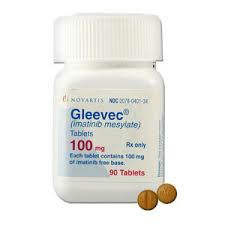
For patients with gastrointestinal stromal tumors, the medication principles of imatinib are also similar. Postoperative adjuvant therapy is generally recommended in high-risk patients for at least 3 years to reduce the risk of recurrence. Stopping medication midway or arbitrarily reducing the dose may lead to tumor recurrence or disease progression. Therefore, whether it is CML or GIST, standardized and continuous medication is the basis for ensuring long-term efficacy. At the same time, patients need to regularly review hematological indicators and molecular levels in order to adjust the dosage or deal with adverse reactions in a timely manner.
In general, the long-term use of imatinib is not a random choice, but a scientific requirement based on the biological characteristics of the disease and clinical evidence-based data. During use, patients should follow the doctor's guidance, insist on taking the medicine on time and in sufficient amount, regularly monitor the efficacy, and pay attention to lifestyle and dietary management to maximize the drug's efficacy and reduce the risk of recurrence. For patients who are eligible and wish to discontinue medication, they must also try it cautiously under strict monitoring and professional guidance.
Reference materials:https://www.drugs.com/
[ 免责声明 ] 本页面内容来自公开渠道(如FDA官网、Drugs官网、原研药厂官网等),仅供持有医疗专业资质的人员用于医学药学研究参考,不构成任何治疗建议或药品推荐。所涉药品可能未在中国大陆获批上市,不适用于中国境内销售和使用。如需治疗,请咨询正规医疗机构。本站不提供药品销售或代购服务。


