
.jpeg)
Sunitinib (Sutent) belongs to which generation of targeted drugs and analysis of its clinical application
Sunitinib (Sunitinib) is a small molecule multi-target tyrosine kinase inhibitor and belongs to the first generation of oral targeted drugs. Its development and clinical application mark the transformation of tumor treatment from traditional chemotherapy to precision targeted therapy. As a first-generation targeted drug, sunitinib’s mechanism of action is mainly through inhibiting multiple receptor tyrosine kinases (RTKs), including vascular endothelial growth factor receptor (VEGFR), platelet-derived growth factor receptor (PDGFR ), stem cell factor receptor (c-KIT), FLT3 and RET, etc., thereby achieving anti-tumor and anti-angiogenesis effects on multiple signaling pathways.
In clinical application, sunitinib was the first to be approved for the treatment of advanced clear cell renal cell carcinoma (RCC), especially providing a new treatment option for patients who are resistant to traditional immunotherapy or chemotherapy. It blocks tumor angiogenesis and reduces tumor nutrient supply by inhibiting VEGFR and PDGFR. It also inhibits tumor cell proliferation and survival by directly inhibiting kinases such as c-KIT and FLT3. Clinical studies show that the overall response rate of patients with advanced renal cancer treated with sunitinib is significantly higher than that of previous interferon or chemotherapy treatment groups, and the progression-free survival (PFS) and overall survival (OS) are significantly prolonged, making it an important cornerstone of targeted therapy for renal cancer.
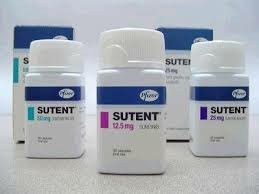
In addition to renal cell carcinoma, sunitinib is also widely used in the treatment of gastrointestinal stromal tumors (GIST), especially in patients who are resistant or intolerant to imatinib. GISTIn c-KIT and PDGFR mutations are the main pathogenic factors. Sunitinib effectively controls the growth and progression of tumors through multi-target inhibition. Studies have shown that sunitinib can significantly improve the objective response rate (ORR) and prolong disease control time (GIST patients) DCR), and achieved long-term and stable efficacy in some patients, thus providing a second-line or even third-line treatment option for GIST patients.
Sunitinib also shows potential efficacy against other solid tumors in clinical anti-tumor applications. For example, in gastric cancer, thyroid cancer, and pancreatic neuroendocrine tumors (pNET), clinical trials have explored the feasibility of combination therapy or single-agent use. The multi-target properties of sunitinib enable it to have comprehensive anti-tumor capabilities in complex tumor microenvironments, including inhibiting tumor angiogenesis, interfering with tumor signaling pathways, and enhancing immune responses. This broad-spectrum anti-tumor effect is a typical feature of the first-generation targeted drugs: although it is not as specific as the second- or third-generation targeted drugs for a single target, it can provide more clinical treatment options with multi-target and multi-pathway intervention, especially for patients with drug resistance or complex genotypes.
In general, sunitinib, as the first-generation oral targeted drug, achieves effective control of solid tumors such as renal cancer and GIST through a multi-target inhibitory mechanism, significantly improving patients' survival prognosis and quality of life. Its clinical value is not only reflected in the effect of single drug treatment, but also provides an important foundation for multi-target combination strategies and precision treatment. With the continuous development of targeted drugs and immunotherapy, sunitinib still occupies an important position in the treatment of various solid tumors, and provides theoretical and practical basis for the subsequent development of a new generation of targeted drugs.
Reference materials:https://www.drugs.com/
[ 免责声明 ] 本页面内容来自公开渠道(如FDA官网、Drugs官网、原研药厂官网等),仅供持有医疗专业资质的人员用于医学药学研究参考,不构成任何治疗建议或药品推荐。所涉药品可能未在中国大陆获批上市,不适用于中国境内销售和使用。如需治疗,请咨询正规医疗机构。本站不提供药品销售或代购服务。


