
.jpeg)
What is the difference between acotinib/cancostat and osimertinib?
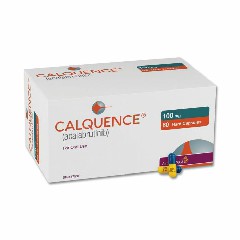
Although Acalabrutinib and Osimertinib have certain similarities in name, they actually belong to completely different categories of targeted drugs, with fundamental differences in their mechanisms of action, scope of indications, and clinical application targets. Acotinib is a BTK inhibitor whose core function is to block the BCR signaling pathway, thereby inhibiting the malignant proliferation of B cells. It is mainly used to treat hematological malignancies, such aschronic lymphocytic leukemia, small lymphocytic lymphoma and mantle cell lymphoma. Due to its high selectivity for theBTK target, acotinib has more advantages than previous-generation products in reducing the risk of arrhythmia and bleeding.
Osimertinib belongs to the third generationEGFR tyrosine kinase inhibitor (EGFR-TKI). Its main application area is solid tumors, especially non-small cell lung cancer (NSCLC) with positive EGFR gene mutations. Osimertinib can effectively treat patients with T790M drug-resistant mutations and has good central nervous system penetration, so it can also be effective in patients with brain metastases. Its emergence is regarded as a milestone in the treatment of EGFR mutant lung cancer, bringing new hope to countless lung cancer patients.
From the perspective of side effects, the toxicity of acotinib is relatively mild, with common mild adverse reactions such as headache and upper respiratory tract infection; while osimertinib mostly manifests as diarrhea, rash and a small number of cardiotoxicity. Although both are well tolerated, their specific side effect profiles are completely different, reflecting the differences in clinical safety of drugs with different targets.
In terms of price, acotinib's accessibility has been significantly improved in China due to its inclusion in medical insurance, while osimertinib has also been included in the medical insurance catalog and has a wider range of use in the field of lung cancer. Although both are targeted drugs, they represent different directions in the treatment of hematological tumors and solid tumors respectively.
Reference materials:https://www.calquence.com/
[ 免责声明 ] 本页面内容来自公开渠道(如FDA官网、Drugs官网、原研药厂官网等),仅供持有医疗专业资质的人员用于医学药学研究参考,不构成任何治疗建议或药品推荐。所涉药品可能未在中国大陆获批上市,不适用于中国境内销售和使用。如需治疗,请咨询正规医疗机构。本站不提供药品销售或代购服务。


