
.jpeg)
Analysis of the real efficacy and price of Pralsetinib targeted treatment of non-small cell lung cancer
In recent years, with the popularization of genetic testing technology and the deepening of the concept of precision medicine, the field of cancer treatment is undergoing profound changes. From the end of 2024 to the beginning of 2025, many authoritative academic conferences at home and abroad released intensively the latest research results on targeted drugs in tumors such as lung cancer and thyroid cancer. Among them, the treatment of RETfusion-positive non-small cell lung cancer (NSCLC) has attracted much attention. According to reports in publications such as the New England Journal of Medicine and the Journal of Clinical Oncology, Pralsetinib (Pralsetinib, trade name: Gavreto), as a new generation of highly effective RET inhibitors, has demonstrated excellent efficacy and is gradually gaining clinical application worldwide.
At the same time, issues regarding drug availability and price of platinib have also become the focus of attention for patients and doctors. Domestically, although Platinib is already on the market, it has not yet been included in the national medical insurance. The high drug prices have put many families facing a heavy financial burden. Overseas, although generic drugs have appeared, the price differences are huge, making "how to obtain drugs in a reasonable way" a real problem. This article will combine the latest information to comprehensively analyze the efficacy and price of platinib to help patients and their families better understand and choose.
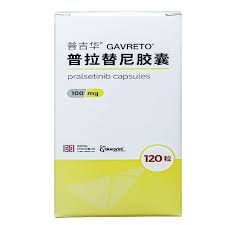
1. The research and development background and mechanism of action of platinib
Platinib was developed by Blueprint Medicines (Blueprint Medicines) and promoted in cooperation with Roche (Roche). It is a selective RET tyrosine kinase inhibitor. RET(Rearranged during Transfection) gene rearrangements or mutations exist in a variety of tumors, with the incidence rate in patients with non-small cell lung cancer being approximately 1%-2% and in patients with medullary thyroid carcinoma (MTC) being approximately 50%-60%.
Traditional chemotherapy or first-generation multi-target tyrosine kinase inhibitors have limited efficacy and severe side effects in RET fusion-positive patients. Platinib is designed to inhibit RET with high selectivityActivate signaling pathways to achieve more precise and safer anti-tumor effects. It can effectively penetrate the blood-brain barrier and inhibit central nervous system metastases, which is one of its advantages over older generation therapeutic drugs.
In2020, Platinib has been approved by the USFDA and the European EMA span>Accelerated approval for RETfusion-positive non-small cell lung cancer and RET mutant thyroid cancer. Since then, it has been approved in Japan, China and other countries, becoming an important treatment option for RET-positive patients.

2. Analysis of clinical efficacy data of platinib
The most direct evidence of the efficacy of platinib comes from the ARROW study, which is a multi-center, global phase II clinical trial that mainly evaluates the efficacy and safety of platinib in patients with RET fusion-positive non-small cell lung cancer and RET mutant thyroid cancer.
1. Effectiveness in non-small cell lung cancer
For untreatedRETfusion-positiveNSCLC patients: objective response rate (ORR< span>) is about 79%, and the median progression-free survival (PFS) exceeds 16 months.
For patients who have previously received platinum-based chemotherapy: ORR is still as high as 61%, showing significant anti-tumor activity.
Patients with intracranial metastases: The intracranial response rate of platinib exceeds50%, reflecting good central nervous system penetration.
2. Effectiveness in thyroid cancer
RETMutant medullary thyroid cancer (Among patients with MTC (MTC), the ORR of platinib is between 60% and 70%, and the efficacy of some patients can last for more than two years.
Platinib also demonstrated higher response rates in RETfusion-positive papillary thyroid cancer.
3. Security
Common adverse reactions of platinib include neutropenia, anemia, hypertension, abnormal liver function, etc., but most of them can be controlled through dose adjustment or symptomatic treatment. Compared with early multi-target inhibitors (such as cabozantinib and vandetanib), platinib has milder side effects and is better tolerated.
In summary, platinib has become an important treatment option for patients with RET positive lung cancer and thyroid cancer, especially for patients with brain metastases.

3. Analysis of domestic and foreign prices and medical insurance policies
The efficacy is outstanding, but price is often the key to restricting the accessibility of drugs. According to currently public market information:
1. Domestic Price Situation
In China, the original drug Platinib is already on the market. Common specifications include 100mg 60 tablets and 100mg 120 tablets.
Price: A box of medicines may sell for between 2 to 6 RMB. The specific price varies slightly depending on the region and channel.
Since it is not included in the national medical insurance, patients need to pay for it out of pocket, which is a heavy burden for most families.
2. Overseas price situation
Prices in the United States and Europe are higher, with prices for 60 capsules generally ranging from 4 to hundreds of thousands of yuan.
The medical insurance systems of different countries have different reimbursement ratios for platinib. Some high-income countries have included it in medical insurance, significantly reducing the burden on patients.
3. The emergence and price advantage of generic drugs
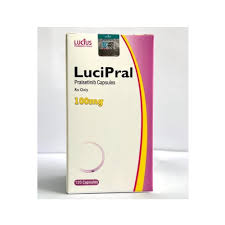
At present, generic drugs of Platinib have appeared in Laos and other countries, with ingredients similar to the original drug.
Generic drugs have significant price advantages. For example, the generic version of Platinib in 120 capsules is sold in the Laos market for about 3,000 yuan, which is only one-tenth or even lower than the original drug.
This provides an alternative option for patients with limited financial conditions, but the purchasing channels need to be cautious, and the source of the drugs needs to be confirmed to be regular to ensure quality and safety.
4. Prospects for future medical insurance negotiations
According to the practice of adjusting the national medical insurance drug catalog, platinib is expected to participate in negotiations in the future. If successfully included in medical insurance, it will greatly reduce the financial burden on patients and may also promote its wider clinical application.
4. Patient needs and medication recommendations
From a patient's perspective, the following issues are the main concerns when choosing Platinib:
1. Am I suitable for platinib?
Platinib is only effective for patients with RET gene fusion or mutation positive, so genetic testing must be performed before taking the drug.
NonRET-positive patients have no obvious effect when using this drug.
2. What are the side effects that need to be paid attention to?
Common side effects include hematological adverse reactions (such as anemia, neutropenia), gastrointestinal symptoms (such as constipation, diarrhea), hypertension, etc.
Regular review of blood routine, liver and kidney function will help to detect and deal with adverse reactions in time.
3. How to reduce the financial burden of medication?
Pay attention to the progress of national medical insurance negotiations. Once platinib is included in medical insurance, the reimbursement rate may be as high as 50%-70%.
For patients who cannot afford original drugs in the short term, they can pay attention to generic drugs from overseas regular channels, but they must be carefully screened to prevent buying fake or inferior drugs.
4. Comparison with other targeted drugs
Platinib has similar efficacy to another RET inhibitor selpatinib (Selpercatinib, LOXO-292). The choice mainly depends on accessibility, doctor experience and price.
Both are recommended by international guidelines (NCCN, CSCO) as first-line treatment for RETfusion-positive NSCLC.
Pralsetinib (Pralsetinib), as a new generation of highly selective RET inhibitor, has shown strong efficacy in the treatment of non-small cell lung cancer and thyroid cancer, especially in patients with brain metastases. However, its high price and insufficient medical insurance coverage have become important factors hindering its widespread use by patients.
With the advancement of domestic and foreign policies and the launch of generic drugs, the price of platinib is expected to gradually decrease, thereby benefiting more patients. For patients, scientific selection of drugs, rational economic planning, and keeping up with medical insurance policies are the keys to maximizing benefits.
xa0
References:
1.ClinicalTrials.gov. A Study of Pralsetinib (BLU-667) in Participants With RET-altered Tumors (ARROW). https://clinicaltrials.gov/ct2/show/NCT03037385
2.Blueprint Medicines. GAVRETO® (pralsetinib) prescribing information. https://www.gavreto.com
3.The New England Journal of Medicine. Pralsetinib for RET Fusion–Positive Non–Small-Cell Lung Cancer. https://www.nejm.org/doi/full/10.1056/NEJMoa2005653
4.中国国家药监局(NMPA)药品审评中心公告. http://www.cde.org.cn
[ 免责声明 ] 本页面内容来自公开渠道(如FDA官网、Drugs官网、原研药厂官网等),仅供持有医疗专业资质的人员用于医学药学研究参考,不构成任何治疗建议或药品推荐。所涉药品可能未在中国大陆获批上市,不适用于中国境内销售和使用。如需治疗,请咨询正规医疗机构。本站不提供药品销售或代购服务。


