
.jpeg)
Which one is more effective, Deflazacort or vamorolone?
Deflazacort and Vamorolone are two corticosteroid drugs that have attracted widespread attention in the treatment of Duchenne Muscular Dystrophy (DMD) in recent years. Duchenne muscular dystrophy is an X-linked genetic disease, mainly due to muscle protein defects leading to progressive degeneration of muscle fibers. As patients age, they experience decreased muscle strength, limited motor function, and respiratory and cardiac complications. Traditional glucocorticoids have shown efficacy in relieving symptoms and delaying disability, but the side effects associated with long-term use have a significant impact on the growth and development of pediatric patients, especially. Therefore, the emergence of deflazacort and vamorolone provides new clinical options.
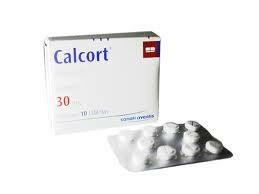
As a modified glucocorticoid, deflazacort inhibits muscle fiber damage and delays muscle degeneration by regulating inflammatory responses and immune pathways. Its oral absorption is stable and its half-life is moderate, making it convenient for long-term maintenance treatment. In clinical practice, deflazacort can improve patients' muscle strength and prolong the maintenance of spontaneous mobility. Compared with traditional prednisone or dexamethasone, its advantage is that it has less impact on bone metabolism, blood sugar, and water and salt balance, making its side effects controllable. It is especially suitable for long-term use in children and adolescents.
Vamorolone is a new type of "selective glucocorticoid receptor modulator" (Vamorolone, VBP-15) developed in recent years. Its design concept is to retain the anti-inflammatory and immunomodulatory effects of glucocorticoids while reducing the negative metabolic effects of typical glucocorticoids, such as osteoporosis, weight gain, and growth inhibition. Vamorolone is different from traditional glucocorticoids in molecular structure. By optimizing receptor binding selectivity, it achieves targeted anti-inflammatory and reduces systemic side effects. Clinical studies have shown that children taking vamorolone have similar muscle strength improvements and maintenance of motor function as deflazacort, but exhibit lower skeletal and metabolic risks in terms of long-term safety.
From an efficacy perspective, both deflazacort and vamorolone have significant effects in improving muscle strength and delaying disease progression, and both can be used as standard treatment options for Duchenne muscular dystrophy. However, the main differences between the two are in side effect management and tolerability. Deflazacort has been clinically proven for a long time and has stable efficacy and controllable side effects, but there is still a certain risk of bone metabolism and weight gain; the advantage of vamorolone is that it has optimized molecular targeting, further reducing side effects related to bone, endocrine and metabolism, thereby improving the safety of long-term medication. For children and adolescent patients, this"mild" drug profile helps to better balance efficacy with growth and development.
In clinical application, the choice between deflazacort and vamorolone should be based on the patient's age, disease course, previous medication experience, and long-term management needs. Due to its earlier launch, deflazacort has rich data and strong operability in global clinical practice; as a new drug, vamorolone's long-term efficacy and safety are still under observation, but existing studies have shown that it has advantages in side effect control. For pediatric patients who require long-term maintenance treatment and focus on growth and development, vamorolone may be a milder option; for patients who have received standard glucocorticoid therapy and have good results, deflazacort remains a reliable and mature option.
Reference: https://www.drugs.com/mtm/deflazacort.html
[ 免责声明 ] 本页面内容来自公开渠道(如FDA官网、Drugs官网、原研药厂官网等),仅供持有医疗专业资质的人员用于医学药学研究参考,不构成任何治疗建议或药品推荐。所涉药品可能未在中国大陆获批上市,不适用于中国境内销售和使用。如需治疗,请咨询正规医疗机构。本站不提供药品销售或代购服务。


