
.jpeg)
Which drug is better, delamanid/delba or bedaquiline?
Delamanid and Bedaquiline are the two most representative innovative drugs in the treatment of multidrug-resistant tuberculosis (MDR-TB) in the world in recent years. They are both recommended by the World Health Organization (WHO) as second-line anti-tuberculosis treatment options to improve the prognosis of drug-resistant tuberculosis patients who are difficult to control with traditional chemotherapy. There are significant differences between these two drugs in terms of mechanism of action, clinical application, efficacy characteristics and side effect management. Understanding these differences is crucial for clinical drug selection and individualized treatment of patients.
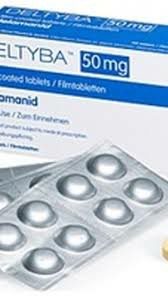
Delamanid is a triazole antibacterial compound. Its main mechanism of action is to prevent bacterial proliferation by inhibiting the synthesis of the cell wall of Mycobacterium tuberculosis. Compared with traditional anti-tuberculosis drugs, delamanid shows good efficacy and safety in patients with multi-drug-resistant tuberculosis. Its targeted nature makes systemic toxic and side effects relatively mild, and it is especially well tolerated in long-term combination therapy. The oral form of delamanid facilitates long-term maintenance therapy and has demonstrated consistent treatment success rates in patients with pulmonary and partially drug-resistant tuberculosis in clinical trials and field trials worldwide. In addition, the side effects of delamanid are mainly mild to moderate digestive system reactions, mild headache, fatigue and prolongation of QT interval in electrocardiogram. They can be managed through standardized monitoring and dose adjustment, which makes the patient's quality of life relatively controllable during the medication.
Bedaquiline belongs to the quinoline derivative class of anti-tuberculosis drugs. Its main function is to block cell survival from the energy metabolism level by inhibiting the ATP synthase of Mycobacterium tuberculosis. This unique mechanism enables bedaquiline to have a potent bactericidal effect on multidrug-resistant strains, and is especially suitable for combining multiple anti-tuberculosis drugs to construct short-course or intensive treatment regimens. Bedaquiline has shown the potential to significantly extend progression-free survival and improve treatment success rates in clinical studies, especially in patients with pulmonary drug-resistant tuberculosis. However, due to its effect on cardiac electrical activity, bedaquiline has a relatively high risk of prolonging the QT interval. Therefore, strict ECG monitoring is required during medication and avoid combining it with other QT prolonging drugs.
In terms of clinical selection, delamanid and bedaquiline are not "substitutes" for single drugs, but can play complementary roles in the personalized treatment of multi-drug-resistant tuberculosis. Delamanid is more suitable for patients with good basic tolerance and who are sensitive to the risk of QT prolongation, especially for those who need long-term maintenance treatment and who are concerned about the quality of life; while bedaquiline is suitable for patients who need rapid control of bacterial load, intensive anti-tuberculosis treatment, or patients with severe disease course. Its powerful bactericidal ability can help reduce infectivity and improve clinical symptoms. Research trends in recent years have also shown that in some patients with multi-drug-resistant tuberculosis, the combined use of delamanid and bedaquiline, together with traditional anti-tuberculosis drugs such as rifampicin and isoniazid, can form a short-course and efficient treatment plan, which can not only ensure the efficacy but also manage side effects, and optimize the course of treatment.
In terms of market and accessibility, delamanid has been included in Class B medical insurance in China, and is only reimbursed for patients with multi-drug-resistant tuberculosis. The price of the original drug is about50mg*60 tablets per box, more than 6,000 yuan, and there are currently no generic drugs on the market. The original bedaquiline drug has also been launched in the domestic market, but due to patents and production restrictions, the price is relatively high. At the same time, monitoring standards must be strictly followed during use. In overseas markets, both are recommended by WHO as treatment options for multidrug-resistant tuberculosis and play key roles in international tuberculosis prevention and control projects.
Reference: https://go.drugbank.com/drugs/DB11637
[ 免责声明 ] 本页面内容来自公开渠道(如FDA官网、Drugs官网、原研药厂官网等),仅供持有医疗专业资质的人员用于医学药学研究参考,不构成任何治疗建议或药品推荐。所涉药品可能未在中国大陆获批上市,不适用于中国境内销售和使用。如需治疗,请咨询正规医疗机构。本站不提供药品销售或代购服务。


