
.jpeg)
What are the side effects of Delamanid/Delba? Common adverse reactions
Delamanid is a targeted drug for the treatment of multidrug-resistant tuberculosis (MDR-TB). Its side effects are generally controllable, but patients and medical staff still need to pay attention to it during use. Its mechanism of action is mainly by inhibiting the cell wall synthesis of Mycobacterium tuberculosis and blocking bacterial proliferation. Compared with traditional multi-drug combination chemotherapy, delamanid has stronger targeting, so the systemic side effects are relatively mild, but some patients may still experience observable adverse reactions.
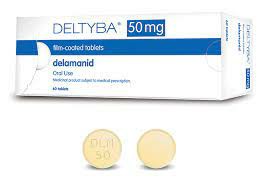
The most common side effects include mild to moderate digestive reactions such as nausea, vomiting, and decreased appetite. These reactions are usually related to the effects of drugs on the local environment and metabolic processes of the gastrointestinal tract. In most cases, they can resolve themselves or be controlled through symptomatic treatment while continuing to take the drug. Some patients may experience headache, dizziness or mild fatigue in the early stages of medication. This is mainly a reflection of the systemic effects of the medication and is not considered a serious adverse event.
A side effect that needs to be monitored closely is heart-related risks. Delamanid may cause QT interval prolongation due to the drug's mild effect on myocardial electrical activity. In clinical practice, especially when other QT prolonging drugs are used concomitantly, regular ECG monitoring should be performed to avoid potentially serious arrhythmias. Some patients may also develop mild liver function abnormalities, including elevated transaminases, which can usually be managed effectively with regular liver function monitoring and dose adjustment.
Other adverse reactions include local allergic reactions and mild rash, but the occurrence rate is relatively low and most of them are reversible events. Overall, most of the side effects of delamanid are controllable and monitorable, and most do not lead to treatment interruption. Clinical studies have shown that by properly monitoring blood indicators, liver function and electrocardiogram, patients can obtain sustained therapeutic effects when using delamanid within a safe range.
Reference: https://go.drugbank.com/drugs/DB11637
[ 免责声明 ] 本页面内容来自公开渠道(如FDA官网、Drugs官网、原研药厂官网等),仅供持有医疗专业资质的人员用于医学药学研究参考,不构成任何治疗建议或药品推荐。所涉药品可能未在中国大陆获批上市,不适用于中国境内销售和使用。如需治疗,请咨询正规医疗机构。本站不提供药品销售或代购服务。


