
.jpeg)
Enzalutamide/Enzalutamide (Acotan) is taken for several years to achieve therapeutic effects
Enzalutamide/Enzalutamide ( Enzalutamide) is a long-term maintenance targeted hormone drug that mainly delays the progression of prostate cancer by continuously inhibiting the androgen receptor pathway. The treatment cycle is not measured in fixed years, but is dynamically adjusted based on the patient's condition, tumor activity and body tolerance. Generally speaking, the efficacy of enzalutamide can be seen after several months of continuous use, but to achieve significant disease control and long-term survival benefit, annual systemic treatment is usually required.
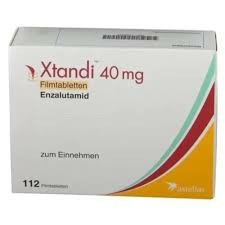
In early clinical practice, most patients can observe a decrease in PSA and signs of disease stabilization after taking the drug for 3 to 6 months, which shows that the drug has established an effective inhibitory mechanism in the body. However, for patients with castration-resistant prostate cancer, cancer cell growth is persistent, so doctors often recommend continued medication to maintain the intensity of hormone pathway suppression. Some overseas cases have shown that patients who have been taking enzalutamide for more than two years can still maintain good disease control. The mechanism is that the drug not only blocks androgen signaling, but also interferes with the adaptive mutations of cancer cells, thus delaying the formation of drug resistance.
Enzalutamide is not a short-term effective drug, but a long-term treatment plan with the goal of "stable control." Patients should regularly monitor PSA levels, imaging changes, liver function and other indicators while taking the drug to evaluate drug efficacy and individual tolerance. If the efficacy is significant and the adverse reactions are mild, most doctors will recommend long-term use to maintain stable disease and prolong survival.
The treatment cycles of different patients vary greatly. For castration-sensitive patients who receive enzalutamide early, some can maintain a stable state or even discontinue treatment after 3 to 5 years of treatment; while for patients with recurrence or metastasis, a longer course of treatment is usually required to inhibit disease progression. Multiple overseas studies have pointed out that the duration of enzalutamide treatment is closely related to the overall survival of the patient. The longer the treatment time, the more significant the benefit is.
Reference materials:https://www.xtandi.com/
[ 免责声明 ] 本页面内容来自公开渠道(如FDA官网、Drugs官网、原研药厂官网等),仅供持有医疗专业资质的人员用于医学药学研究参考,不构成任何治疗建议或药品推荐。所涉药品可能未在中国大陆获批上市,不适用于中国境内销售和使用。如需治疗,请咨询正规医疗机构。本站不提供药品销售或代购服务。


