
.jpeg)
Description of common side effects of tazetostat and patient response measures
1. Drug introduction and application background
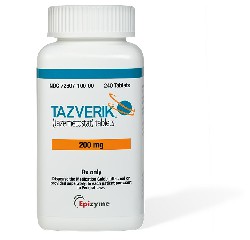
Tazemetostat (Tazemetostat, trade name Tazverik) is an oral small molecule epigenetic drug whose main mechanism of action is inhibition of EZH2 (enhancer homolog 2, histone methyltransferase). The drug interferes with the epigenetic regulation of tumor cells by blocking the methylation activity of EZH2 , thereby inhibiting the growth and division of tumor cells.
Currently, tazerestat has been approved in the United States for the treatment of the following two types of diseases:
Patients with metastatic or locally advanced epithelioid sarcoma (epithelioid sarcoma, ES) that cannot be surgically removed.
Follicular lymphoma (FL), especially in patients with EZH2 mutations who have received at least two lines of therapy.
As an innovative targeted drug, tazetostat provides new hope for some patients who lack effective treatment options. But like all anti-cancer drugs, while it brings curative effects, it also comes with certain side effects and adverse reactions, which require patients and their families to fully understand and actively respond to them.
2. Classification analysis of common side effects
According to clinical trial data (including FDA drug instructions and real-world medication reports), the common side effects of tazerestat are mainly concentrated in the following categories:
1. Gastrointestinal adverse reactions
Manifestations: nausea, vomiting, loss of appetite, diarrhea or constipation.
Incidence: Approximately 30%-40% of patients may experience varying degrees of gastrointestinal symptoms.
2. Hematological adverse reactions
Manifestations: anemia, leukopenia, neutropenia, and thrombocytopenia.
Clinical significance: Some patients may be at increased risk of infection, prone to bleeding or fatigue.
3. Systemic adverse reactions
Manifestations: Fatigue, weakness, lethargy.
Incidence: Nearly half of patients have varying degrees of fatigue, which is one of the most common adverse reactions.
4. Skin and other reactions
Manifestations: rash, itching, mild photosensitivity reaction.
Incidence: Relatively low, but it affects daily life for some patients.
5. Abnormal laboratory tests
Manifestations: Abnormal liver function (ALT, AST elevation), hyperuricemia, elevated creatine kinase, etc.
Significance: Most symptoms are mild to moderate and can be improved by stopping the drug or adjusting the dosage.
3. Patient response measures and clinical management suggestions
1. Gastrointestinal symptom management
Nausea/Vomiting: Avoid greasy food before and after medication, and use antiemetic drugs under the guidance of a doctor if necessary.
Decreased appetite: Try smaller, more frequent meals and increase digestible, high-calorie meals.
Diarrhea: Keep hydrated and replenished with electrolytes. Your doctor may prescribe antidiarrheal drugs; if you have severe diarrhea, you need to stop taking the medicine and seek medical advice promptly.
2. Hematology Toxicity Management
Anemia: Monitor hemoglobin regularly and transfuse blood or use erythropoietin if necessary.
White blood cells/Neutrophilia: Pay attention to preventing infection, maintaining good hygiene, and avoiding crowded places; in severe cases, you may need to use white blood-raising needles (G-CSF).
Thrombocytopenia: Avoid collisions and reduce the use of aspirin and other drugs that increase the risk of bleeding.
3. Coping with fatigue
Lifestyle adjustments: Ensure adequate sleep, engage in light exercise such as walking, and avoid overexertion.
Psychological support: Fatigue is not only a physical manifestation, but may also be related to psychological stress. Joining a patient support group or receiving psychological counseling can help relieve symptoms.
4. Skin reaction response
Skin rash/Itching: Keep the skin clean, use mild skin care products, and avoid strong sun exposure; if necessary, use antihistamines or topical corticosteroids under the guidance of a doctor.
Photosensitivity reaction: Pay attention to sun protection when going out, wear a hat and protective clothing.
5. Liver function and laboratory index management
Monitoring: Liver function, uric acid levels and blood routine should be checked regularly during medication.
Treatment: If there is an obvious increase in liver function or other serious abnormalities, the doctor may recommend reducing the dose or discontinuing the medication, and then decide whether to continue taking the medication after the indicators recover.
4. Key points of communication between patients and doctors
Communicate medical history in advance: Before starting medication, the doctor should be informed of past medical history of liver disease, kidney disease, cardiovascular disease, etc. in order to develop an individualized medication plan.
Comply with the review plan: Regular review of blood routine and liver function is the key to ensuring safe medication use.
Report serious symptoms promptly: If you have persistent high fever, severe bleeding, jaundice or extreme fatigue, you should contact your doctor immediately.
Avoid adding or subtracting medications on your own: When side effects occur, professional adjustments should be made instead of stopping or reducing the medication without authorization.
Tazerestat, an innovative EZH2 inhibitor, has shown important value in the treatment of rare diseases such as epithelioid sarcoma and EZH2 mutated follicular lymphoma. But like all anti-cancer drugs, it comes with a certain risk of side effects. Common adverse reactions include gastrointestinal discomfort, hematological abnormalities, fatigue, and abnormal liver function. Most are mild to moderate and can be managed through lifestyle adjustments, drug-assisted treatment, and dose adjustment.
For patients, the correct attitude is: not to be afraid of side effects, but to pay attention to management. Under the guidance of professional doctors, close monitoring of body reactions and timely handling of adverse events can maximize the efficacy of drugs while ensuring quality of life.
Reference materials:https://www.drugs.com/
[ 免责声明 ] 本页面内容来自公开渠道(如FDA官网、Drugs官网、原研药厂官网等),仅供持有医疗专业资质的人员用于医学药学研究参考,不构成任何治疗建议或药品推荐。所涉药品可能未在中国大陆获批上市,不适用于中国境内销售和使用。如需治疗,请咨询正规医疗机构。本站不提供药品销售或代购服务。


