
.jpeg)
The difference between imatinib (Gleevec) and Gleevec and analysis of patient medication selection
Imatinib (Imatinib) is an oral tyrosine kinase inhibitor (TKI), mainly used to treat chronic myelogenous leukemia ( pan>CML), gastrointestinal stromal tumors (GIST) and some acute lymphoblastic leukemias (ALL). Gleevec (Gleevec) is the original trade name of imatinib, developed and promoted by Novartis. The pharmacological mechanisms of the two are completely consistent. They both block tumor cell proliferation and survival signals by inhibiting tyrosine kinases such as BCR-ABL, c-KIT and PDGFR.
In terms of drug sources and prices, Gleevec is an original drug and its price is relatively high; the domestic version of imatinib is lower in price and is basically consistent with the original drug in terms of active ingredients and clinical efficacy. Domestic medical insurance usually covers domestically produced imatinib, allowing patients to use it for a long time at a lower economic cost. When choosing medications, patients should consider their own financial situation, medical insurance reimbursement policies, and drug accessibility.
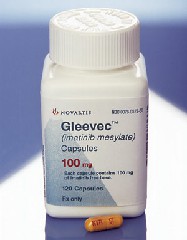
In clinical use, the dosage regimens of imatinib and Gleevec are basically the same. Doctors will adjust the dose based on the patient's disease stage, weight, kidney and liver function, and type of genetic mutation. The usual starting dose for CML patients in the chronic phase is 400mg/day. For gastrointestinal stromal tumors, the dose is adjusted individually based on specific risk classification and body surface area. Regardless of whether you choose domestic imatinib or original Gleevec, regular monitoring of hematological indicators and efficacy follow-up are the key to ensuring the safety and effectiveness of treatment.
Generally speaking, there is no substantial difference in pharmacological mechanism and efficacy between imatinib and Gleevec, but there are obvious differences in price and medical insurance coverage. When choosing medication, patients should choose the solution that best suits them based on their doctor's advice, financial conditions and long-term treatment plan. At the same time, regular follow-up, monitoring of hematological indicators and attention to adverse drug reactions are crucial to ensuring treatment effectiveness and medication safety.
Reference materials:https://www.drugs.com/
[ 免责声明 ] 本页面内容来自公开渠道(如FDA官网、Drugs官网、原研药厂官网等),仅供持有医疗专业资质的人员用于医学药学研究参考,不构成任何治疗建议或药品推荐。所涉药品可能未在中国大陆获批上市,不适用于中国境内销售和使用。如需治疗,请咨询正规医疗机构。本站不提供药品销售或代购服务。


