
.jpeg)
Differences in dosages of besotivan (Vileri) for different tumor treatments and reference for individualized medication
Belzutifan (Belzutifan, trade nameWelireg) is an oral small moleculeHIF-2α inhibitors mainly block the proliferation and survival of tumor cells in hypoxic environments by inhibiting the hypoxia-inducible factorHIF-2α signaling pathway. The drug is mainly used clinically to treat renal clear cell carcinoma (RCC) associated with VHL (Von Hippel-Lindau) syndrome and some HIF-2α-related rare solid tumors. Due to the existence of different tumor types and individual patient differences, there may be certain differences in the dosage and medication regimen of besetifan in clinical application.
In patients with advanced or metastatic clear cell renal cell carcinoma associated with VHL syndrome, bezutivan is usually administered at a standard dose of 120 mg taken orally once daily. Clinical studies have shown that this dose can effectively inhibit tumor progression, while side effects are relatively controllable, including anemia, fatigue and hypertension. In patients with normal renal function who are well tolerated, this dose typically maintains long-term treatment to achieve disease control and prolong progression-free survival.
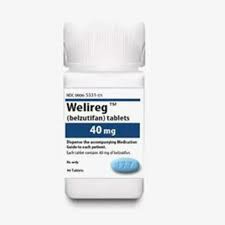
For otherHIF-2α-related rare solid tumors, such as hemangioendothelioma or certain pancreatic neuroendocrine tumors, the dose of bezutivan may need to be individually adjusted based on the patient's weight, liver and kidney function, and tolerance. In some early studies or clinical trials, low-dose or phased-increment dose strategies are used to observe the efficacy and tolerability of drugs to ensure that they can both inhibit tumor growth and reduce the risk of serious adverse reactions.
In general, the dose selection of besotivan needs to be based on the tumor type, individual patient characteristics and previous treatment history. Clinical application emphasizes individualized medication. By regularly monitoring blood routine, liver and kidney function, blood pressure and other indicators, doctors can adjust the dosage plan based on efficacy and adverse reactions. Patients should strictly abide by medical instructions during medication, follow up regularly, and provide timely feedback on discomfort reactions to achieve safe and effective individualized treatment.
Reference materials:https://www.drugs.com/
[ 免责声明 ] 本页面内容来自公开渠道(如FDA官网、Drugs官网、原研药厂官网等),仅供持有医疗专业资质的人员用于医学药学研究参考,不构成任何治疗建议或药品推荐。所涉药品可能未在中国大陆获批上市,不适用于中国境内销售和使用。如需治疗,请咨询正规医疗机构。本站不提供药品销售或代购服务。


