
.jpeg)
Analysis of the clinical efficacy of dual-target therapy combined with trametinib (Megenin) and dabrafenib
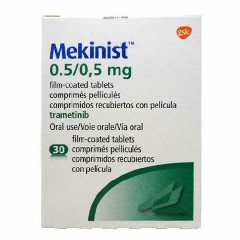
Trametinib (Trametinib) is an oral MEK inhibitor, and dabrafenib (Dabrafenib) is an oral BRAF inhibitor. The dual-target treatment strategy formed by the combined use of the two is mainly targeted at patients with tumors carrying BRAF V600 mutations, such as advanced melanoma and some non-small cell lung cancer (NSCLC). This combination therapy blocks tumor cell proliferation, promotes apoptosis, and significantly delays the occurrence of drug resistance by simultaneously inhibiting the upstream BRAF kinase and downstream MEK kinase of the MAPK signaling pathway. This article will conduct a detailed analysis of the clinical efficacy of the combination treatment of trametinib and dabrafenib, and interpret it based on clinical research data and practical application experience.
1. Mechanistic advantages of combined dual-target therapy
BRAF V600 mutation will lead to the continuous activation of the MAPK signaling pathway and promote the unlimited proliferation of tumor cells. Although single use of BRAF inhibitors such as dabrafenib can effectively inhibit tumor growth in the early stages, tumor cells often reactivate pathways through downstream MEK signaling, leading to drug resistance. As a MEK inhibitor, trametinib combined with dabrafenib can simultaneously block the MAPK pathway at different nodes, significantly reducing the incidence of drug resistance and improving the overall efficacy.
2. Clinical efficacy data analysis
In patients with advanced melanoma, multiple key clinical studies have shown that the combination of dabrafenib and trametinib is significantly better than the use of single-agent BRAF inhibitors. COMBI-d and COMBI-v studies showed that the overall response rate (ORR) reaches about 70%, and the median progression-free survival (PFS) is about 11To 12 months, the median overall survival (OS) can be extended to 25months or more, while the single-drugBRAF inhibitor groupPFS is only about6 to7months. This shows that combination therapy has obvious advantages in delaying disease progression and prolonging survival.
In patients with non-small cell lung cancer (NSCLC) BRAF V600 mutations, combination therapy also shows good efficacy. Clinical data shows that the ORR can reach more than 60%, the median progression-free survival is about 9 months, and the overall tolerability is good. Combination therapy not only improves response rates but also reduces the risk of rapid disease progression, providing a more durable treatment option for patients with advanced disease.
3. Adverse reactions and tolerance management
Despite the significant efficacy of combination therapy, patients may still experience certain adverse reactions. Common side effects include fever, rash, hand-foot syndrome, fatigue, nausea, and mild to moderate liver function abnormalities. Compared with single-agent BRAF inhibitors, combination therapy can reduce the incidence of certain skin-related side effects, such as the risk of new cutaneous squamous cell carcinoma, but at the same time increases the risk of fever and cardiovascular events.
In clinical practice, management of adverse effects is crucial. Mild side effects can be alleviated through symptomatic treatment, such as using antipyretic and analgesic drugs, topical skin care, or adjusting lifestyle. For moderate to severe side effects, doctors may temporarily discontinue the drug, adjust the dose, or use a combination of supportive treatments to ensure that the patient can continue to complete the treatment cycle and maximize the efficacy.
4. Individualized treatment and clinical application suggestions
Combined dual-target therapy emphasizes the concept of precision medicine, and drug selection must be based on BRAF V600 mutation detection results. Before treatment, doctors need to comprehensively evaluate the patient's tumor burden, organ function, and previous treatment history to determine whether the combination of dabrafenib and trametinib is suitable. During treatment, imaging indicators, hematology indicators, and liver and kidney functions should be reviewed regularly, and the efficacy and toxic and side effects should be dynamically evaluated.
In addition, for patients with cardiovascular disease, hepatic and renal insufficiency, or susceptible to infection, the dosage should be adjusted under the guidance of a doctor or used with caution. Individualized management of combination therapy also includes medication schedules, supportive treatment options, and lifestyle guidance, such as maintaining a regular schedule, eating a reasonable diet, and exercising moderately, to improve the patient's overall tolerance and quality of life.
Overall, the dual-target treatment of dabrafenib and trametinib is effective in BRAF V600Demonstrated significant clinical efficacy in patients with mutated tumors. The combination regimen can effectively prolong progression-free survival and overall survival, improve tumor response rate, and reduce the risk of single-drug resistance. Although combination therapy may cause certain adverse reactions, most side effects are controllable through scientific follow-up, dose management and supportive treatment. In clinical application, combined dual-target therapy should be based on precise genetic testing results and individualized assessment, and should be managed through reasonable management to maximize the efficacy and provide safe and effective treatment options for patients with advanced melanoma and BRAF mutation-related tumors.
Reference materials:https://www.drugs.com/
[ 免责声明 ] 本页面内容来自公开渠道(如FDA官网、Drugs官网、原研药厂官网等),仅供持有医疗专业资质的人员用于医学药学研究参考,不构成任何治疗建议或药品推荐。所涉药品可能未在中国大陆获批上市,不适用于中国境内销售和使用。如需治疗,请咨询正规医疗机构。本站不提供药品销售或代购服务。


