
.jpeg)
How to take Epclusa and long-term medication safety guidance
Epclusa (Epclusa) is currently an important oral antiviral drug for the treatment of hepatitis C and is suitable for patients with all genotypes of hepatitis C. The drug, which is composed of sofosbuvir and velpatasvir, can achieve a higher cure rate in a shorter course of treatment. It is easy to take and can be taken once a day, before or after a meal, which helps patients persist in completing the course of treatment and improves the overall success rate of treatment.
In terms of the specific taking method, the standard dosage of Gisanda is one tablet per day (sofosbuvir 400mg + velpatasvir 100mg), which is usually taken continuously for 12 weeks to complete the course of treatment. For some patients with liver cirrhosis or previous treatment failure, doctors may recommend combining ribavirin or extending the medication time. Patients must strictly abide by medical instructions and are not allowed to reduce the dose or stop medication on their own to avoid the risk of viral resistance. If you miss a dose, you should take it as soon as possible within 12 hours. If it exceeds 12 hours, you should resume taking the medicine as usual. Do not double the dose.
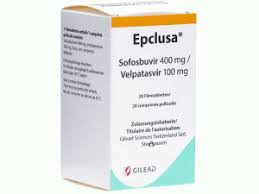
From the perspective of long-term safety, Jisandai is generally well tolerated. Most patients will only experience minor adverse reactions, such as headache, fatigue or mild nausea, which will not affect the completion rate of the treatment course. Compared with previous interferon-containing therapies, Jisandai's side effects have been significantly reduced, avoiding serious reactions such as anemia and depression, and greatly improving the patient's medication experience. Most patients who complete the standard course of treatment can achieve sustained virological response (SVR), and the long-term recurrence rate is extremely low.
However, some special groups still need to pay attention when taking medication. For example, patients with hepatitis B should be regularly monitored for the risk of HBV reactivation; patients with renal insufficiency need a doctor to evaluate whether it is suitable for use; at the same time, Jisandai may interact with drugs such as anti-epileptic drugs, anti-HIV drugs or proton pump inhibitors, so patients should explain the drugs they are taking to their doctors in advance. In general, when used correctly and monitored correctly, Jisandai not only has reliable efficacy, but its long-term safety has been fully verified.
Reference materials:https://www.drugs.com/
[ 免责声明 ] 本页面内容来自公开渠道(如FDA官网、Drugs官网、原研药厂官网等),仅供持有医疗专业资质的人员用于医学药学研究参考,不构成任何治疗建议或药品推荐。所涉药品可能未在中国大陆获批上市,不适用于中国境内销售和使用。如需治疗,请咨询正规医疗机构。本站不提供药品销售或代购服务。


