
.jpeg)
Analysis of the onset time and treatment course observation and suggestions of Tazetostat (Davico)
Tazemetostat (Tazemetostat) is an oral, selective EZH2 inhibitor, mainly used to treat relapsed or refractory follicular lymphoma and certain epithelial tumors. As a drug targeting epigenetic regulation, tazerestat affects tumor cell proliferation and survival signals by inhibiting EZH2 enzyme activity and blocking H3K27 trimethylation modification. Compared with traditional chemotherapy, its unique mechanism allows some patients to observe curative effect in a short period of time, but there are also individual differences.
As for the onset of effect, clinical data show that most patients can see a reduction in tumor size or a significant reduction in lymph nodes within 4 to 8 weeks after starting treatment, and some patients even experience partial remission at the end of the first course of treatment. However, for efficacy evaluation, imaging examinations (such as CT or PET-CT), hematological indicators and changes in clinical symptoms should be comprehensively judged to avoid relying solely on subjective feelings or short-term responses to determine treatment course adjustments.
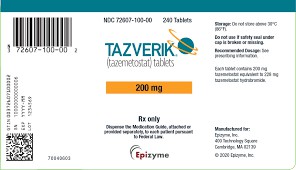
In terms of treatment observation recommendations, tazerestat is usually taken orally at a fixed daily dose and administered continuously until the disease progresses or intolerable adverse reactions occur. Doctors usually recommend that patients undergo imaging review every 8 to 12 weeks in order to promptly evaluate the efficacy and adjust the dose or continue to maintain the original dose based on changes in tumor burden and tolerance. If the effect is obvious and well tolerated, treatment can be continued for a long time; if disease progression or serious adverse reactions occur, the drug needs to be discontinued or the regimen needs to be changed in time.
In addition, patients should pay attention to adverse reaction monitoring and life management during medication. Common side effects of tazerestat include fatigue, nausea, thrombocytopenia, and lymphocyte count decline. In severe cases, the drug may need to be temporarily discontinued or the dose adjusted. At the same time, you should maintain a regular schedule, a balanced diet, and regularly review blood routine, liver and kidney function and other indicators. Scientific and standardized treatment course observation and management can maximize the efficacy of tazerestat, while reducing potential risks and providing long-term treatment guarantee for patients.
Reference materials:https://www.drugs.com/
[ 免责声明 ] 本页面内容来自公开渠道(如FDA官网、Drugs官网、原研药厂官网等),仅供持有医疗专业资质的人员用于医学药学研究参考,不构成任何治疗建议或药品推荐。所涉药品可能未在中国大陆获批上市,不适用于中国境内销售和使用。如需治疗,请咨询正规医疗机构。本站不提供药品销售或代购服务。


