
.jpeg)
Study on whether withdrawal of axitinib (Inlida) will cause rapid tumor growth
Axitinib (Axitinib) is a small molecule tyrosine kinase inhibitor that mainly targets vascular endothelial growth factor receptor (VEGFR)
Regarding the phenomenon of tumor rebound after drug withdrawal, some studies and clinical observations have shown that short-term withdrawal of axitinib may cause a temporary acceleration of tumor growth. This phenomenon is thought to be related to the release of angiogenesis inhibition: when the drug is stopped, the microvessels in the tumor may quickly become active and re-supply oxygen and nutrients to the tumor, thereby promoting tumor proliferation. However, this so-called "rapid growth" usually occurs in high-risk or advanced patients, and not all patients will experience significant tumor rebound.
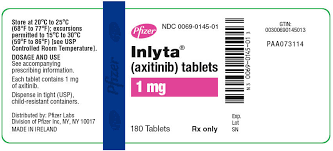
Multiple clinical studies have suggested that in order to reduce the risk of tumor acceleration after drug withdrawal, disorderly interruption of axitinib treatment should be avoided as much as possible. For example, dose adjustment or temporary discontinuation is often used to manage adverse effects, such as hypertension, proteinuria, or hand-foot syndrome. During this process, doctors usually closely monitor tumor imaging indicators and hematological indicators. Once the patient's tolerance improves, the original dose can be restored as soon as possible or adjusted to a tolerable dose to maintain the angiogenesis inhibitory effect and reduce the risk of tumor rebound.
Overall, there may be a certain risk of rapid tumor growth after discontinuation of axitinib, but this risk can be effectively controlled through standardized dose adjustment, treatment course management, and regular follow-up. Patients should strictly follow the doctor's instructions during medication and should not stop medication at will or adjust the dosage on their own. At the same time, when formulating a drug discontinuation or dose reduction strategy, doctors should comprehensively consider the patient's condition, tumor burden, and adverse reactions to ensure both efficacy and safety, thereby maximizing patient survival and improving quality of life.
Reference materials:https://www.drugs.com/
[ 免责声明 ] 本页面内容来自公开渠道(如FDA官网、Drugs官网、原研药厂官网等),仅供持有医疗专业资质的人员用于医学药学研究参考,不构成任何治疗建议或药品推荐。所涉药品可能未在中国大陆获批上市,不适用于中国境内销售和使用。如需治疗,请咨询正规医疗机构。本站不提供药品销售或代购服务。


