
.jpeg)
Precautions and safe medication recommendations for taking Giritinib (Segatan)
Gilteritinib (Gilteritinib) is an oral selective FLT3 tyrosine kinase inhibitor, mainly used to treat relapsed or refractory acute myeloid leukemia (AML) patients with FLT3 mutations. As a targeted therapy drug, giritinib can selectively inhibit the FLT3 signaling pathway, thereby inhibiting the proliferation and survival of leukemia cells. Although its efficacy is significant, in clinical use, rational drug use and safety management are important links to ensure that patients obtain the best efficacy and reduce adverse reactions. The following will provide a detailed analysis from the aspects of taking precautions, safe medication recommendations and patient management.
First of all, giritinib is an oral preparation, and the recommended dose is generally once daily. Patients should strictly follow the doctor's instructions while taking the medication and are not allowed to adjust the dosage or stop the medication at will. Since the absorption of drugs may be affected by food, it is recommended that patients take the drug at a fixed time and at the same time every day to maintain stable blood drug concentration and improve efficacy. If you miss a dose, you should take it as soon as possible after discovery, but you should not take a double dose at one time to avoid excessive drug concentration and increase the risk of adverse reactions.
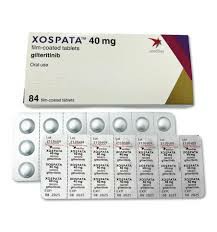
Secondly, in terms of safe medication use, patients need to pay special attention to common adverse reactions of drugs. The most common side effects of giritinib include fever, fatigue, anemia, thrombocytopenia, and gastrointestinal reactions such as nausea and diarrhea. Some patients may develop serious adverse events such as abnormal liver function, prolonged QT interval or arrhythmia. Therefore, hematology tests, liver and kidney function tests, and electrocardiogram monitoring need to be carried out regularly during medication so that potential risks can be discovered in a timely manner and corresponding intervention measures can be taken. If serious side effects occur, the doctor should be informed immediately and the dose should be adjusted or the medication should be temporarily discontinued according to the specific situation.
Third, patients should be careful to avoid concurrent use with drugs that may affect the metabolism of giritinib during medication. Giritinib is mainly metabolized by the liver CYP3A4 enzyme, so concurrent use of strong CYP3A4 inhibitors (such as certain antifungals and antibiotics) may lead to an increase in blood drug concentration and increase the risk of toxicity; and CYP3A4 inducers (such as certain antiepileptic drugs) may reduce drug concentration, thereby affecting efficacy. Therefore, patients should truthfully inform their doctors of all the drugs they are taking, including Chinese herbal medicines, health products, etc., before starting treatment, so that doctors can reasonably evaluate potential drug interactions.
Fourth, in terms of patient management and living habits, a healthy lifestyle should be maintained while taking gilitinib. Adequate rest, a balanced diet, and moderate exercise can help improve the patient's overall tolerance and work with the medication to achieve optimal effectiveness. For patients with bone marrow suppression, attention should be paid to avoiding the risk of infection, such as washing hands frequently, avoiding crowd gatherings, and receiving necessary vaccines in a timely manner. In addition, patients and their families should understand the adverse drug reactions and emergency treatment methods so that they can take timely measures when abnormal situations occur.
Finally, the efficacy evaluation and safety management of giritinib should be combined with clinical follow-up. In the early stage of treatment, blood routine and liver and kidney function are usually reviewed every 2 to 4 weeks. The frequency can be adjusted according to the patient's condition during mid-term and long-term follow-up. At the same time, imaging examinations and bone marrow evaluation are also crucial for judging drug efficacy and monitoring the risk of recurrence. Through standardized and scientific medication guidance and safe management, patients can maximize the therapeutic benefits of giritinib while minimizing potential risks.
In short, as an important drug targeting FLT3mutationsAML, giritinib has significant efficacy, but it needs to strictly follow the medication precautions and safe medication recommendations. By standardizing dosage management, regular monitoring of hematology and organ function, avoiding drug interactions, and managing healthy life, patients can effectively control adverse reactions and improve their quality of life while ensuring the efficacy. Close cooperation between doctors and patients is the key to ensuring the long-term safe and effective application of giritinib.
Reference materials:https://www.drugs.com/
[ 免责声明 ] 本页面内容来自公开渠道(如FDA官网、Drugs官网、原研药厂官网等),仅供持有医疗专业资质的人员用于医学药学研究参考,不构成任何治疗建议或药品推荐。所涉药品可能未在中国大陆获批上市,不适用于中国境内销售和使用。如需治疗,请咨询正规医疗机构。本站不提供药品销售或代购服务。


