
.jpeg)
Tucatinib/tucatinib/trastuzumab produces durable responses in HER2-mutated metastatic breast cancer
Final analysis results from the phase 2 SGNTUC-019 trial (NCT04579380) demonstrate the efficacy of tucatinib in patients with HER2-mutated metastatic breast cancer who have received prior systemic therapy for advanced/metastatic disease n>(Tucatinib) and trastuzumab (trastuzumab) combination therapy has durable anti-tumor activity and high disease control rate (DCR).
Among 31 evaluable patients, the confirmed objective response rate (ORR) was 41.9% (90% CI, 26.9%-58.2%). The median duration of response (DOR) was 18.2 months (90% CI 4.7-23.1), and the DCR was 80.6% (90% CI 65.3-91.2%). Median time to response (TTR) was 1.4 months (range, 1.2-6.2). The median follow-up time at the time of final analysis was 24.9 months.
After an additional 10 months of follow-up, tucatinib plus trastuzumab has demonstrated clinically meaningful efficacy and durable responses to study treatment while continuing to be well tolerated in patients with heavily pretreated, HER2-mutated metastatic cancer.
1. SGNTUC-019 research design and background
SGNTUC-019 is an open-label, phase 2, global basket trial evaluating the safety and efficacy of tucatinib plus trastuzumab, with or without fulvestrant (Faslodex), in patients with previously treated, locally advanced, unresectable or metastatic HER2-altered solid tumors. The cancer cohort exclusively enrolled patients from North America, Europe, and Asia.
Eligible patients in the cancer cohort need to have unresectable locally advanced or metastatic disease that carries next-generation sequencing (NGS)—which identifies HER2 mutations in the absence of HER2 overexpression or amplification. Other key inclusion criteria included disease progression during or after at least 1 line of systemic therapy for locally advanced or metastatic disease, prior use of a CDK4/6 inhibitor if the patient had hormone receptor (HR)-positive disease, measurable disease according to RECIST 1.1 criteria, and an ECOG performance status of 0 or 1.
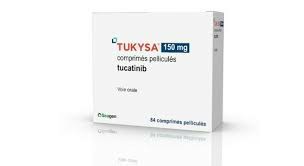
The patient is here300 mg of tucatinib was taken orally twice daily during a 21-day cycle. Trastuzumab was administered intravenously at a dose of 8 mg/kg on Day 1 of Cycle 1 and then at a dose of 6 mg/kg on subsequent Cycle 1. For patients with HR-positive tumors, fulvestrant is administered intramuscularly at a dose of 500 mg every 4 weeks, with an additional dose on day 15 of cycle 1.
The trial's primary endpoint was investigator-assessed ORR. Secondary endpoints include DOR, progression-free survival (PFS), overall survival (OS) and safety. Disease assessments were performed every 6 weeks for the first 24 weeks and every 12 weeks thereafter, and response was determined according to RECIST 1.1 criteria.
Baseline patient characteristics showed that 87% of the enrolled patients had a positive HR, and all patients received fulvestrant treatment. Additionally, 58% of patients had lobular histology, with a median of 3 prior lines of therapy in the advanced/metastatic setting.
Preliminary results showed that the median follow-up time was 15 months, the confirmed ORR was 41.9%, and the median DOR was 12.6 months. The median progression-free survival was 9.5 months and the median overall survival was 20.1 months. Diarrhea was the most common adverse effect (AE), occurring in 65% of patients and grade 3 or higher in 13%. Of note, there were no treatment interruptions due to adverse events.
2. Security analysis
Tucatinib plus trastuzumab is generally well tolerated. Of the 31 patients included in the safety population, all patients experienced a treatment-emergent adverse event (TEAE) of any grade, with 52% experiencing grade 3 or higher TEAEs. Serious TEAEs were reported in 29% of patients.
NoTEAE resulted in death, and there were no discontinuations of study treatment due to toxicity. Two patients (6%) discontinued any study treatment due to TEAEs, both of which discontinued tucatinib; no patients discontinued trastuzumab or fulvestrant. Importantly, no additional outages have been reported since the initial analysis.
Tucatinib dose adjustments due toTEAEs were relatively common, with 39% of patients requiring treatment interruption and 23% requiring dose reductions. The median duration of tucatinib treatment was 9.0 months (range, 0.7-31.7), and the mean treatment duration was 10.7 months (standard deviation, 9.1 months). The treatment was well tolerated, with a 6% tucatinib discontinuation rate and no deaths due to TEAEs. These results support tucatinib plus trastuzumab as a potential treatment option for patients with previously treated HER2-mutated metastatic breast cancer.
Reference materials:https://www.onclive.com/view/tucatinib-trastuzumab-yields-durable-responses-in-her2-mutated-metastatic-breast-cancer
[ 免责声明 ] 本页面内容来自公开渠道(如FDA官网、Drugs官网、原研药厂官网等),仅供持有医疗专业资质的人员用于医学药学研究参考,不构成任何治疗建议或药品推荐。所涉药品可能未在中国大陆获批上市,不适用于中国境内销售和使用。如需治疗,请咨询正规医疗机构。本站不提供药品销售或代购服务。


